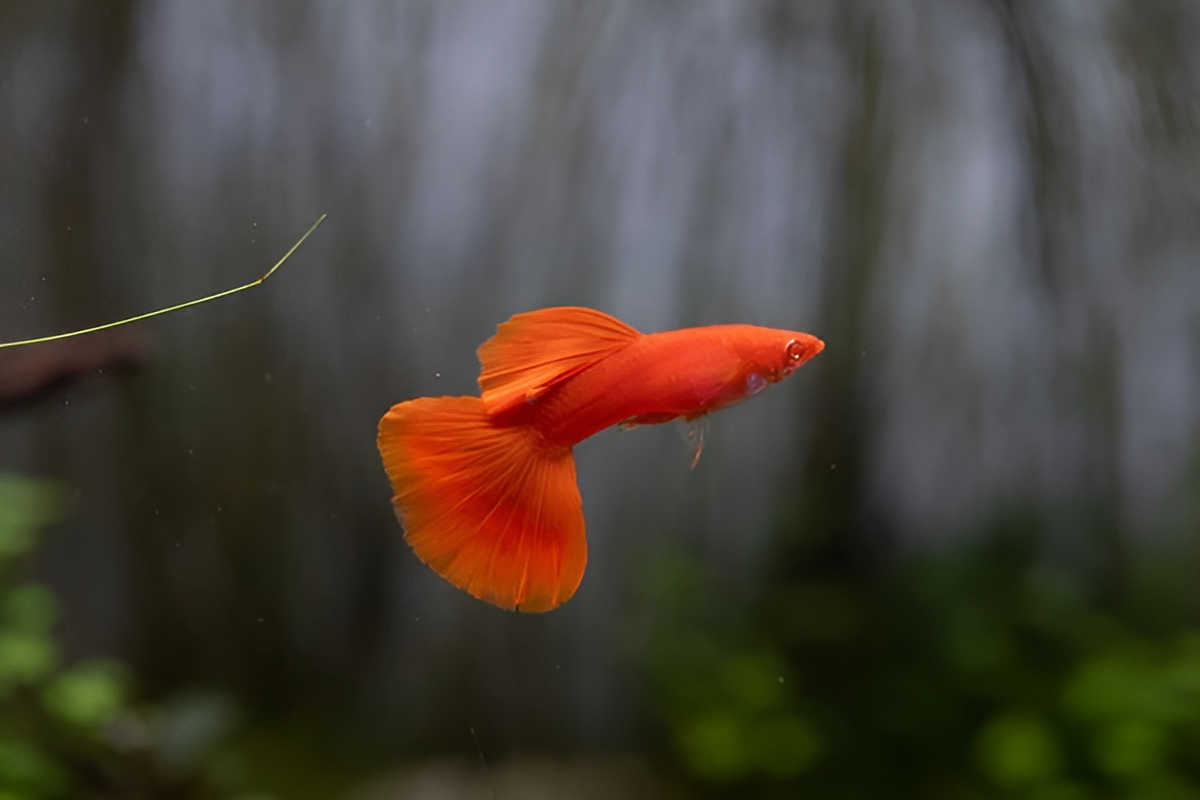
Red Queen Guppy (Male)
Livebearers
The Male Red Moscow Guppy is a stunning addition to your aquarium, reaching a size of approximately 5 cm, these...
R40,00
🐠 Free shipping over R2,500 · Flat rate R220 Livestock Ships Between Mon–Wed
Aquarium Plants
Regular PriceR60,00
Customer reviews
We accept the following payment methods




Arrive Alive DOA Policy - Learn more
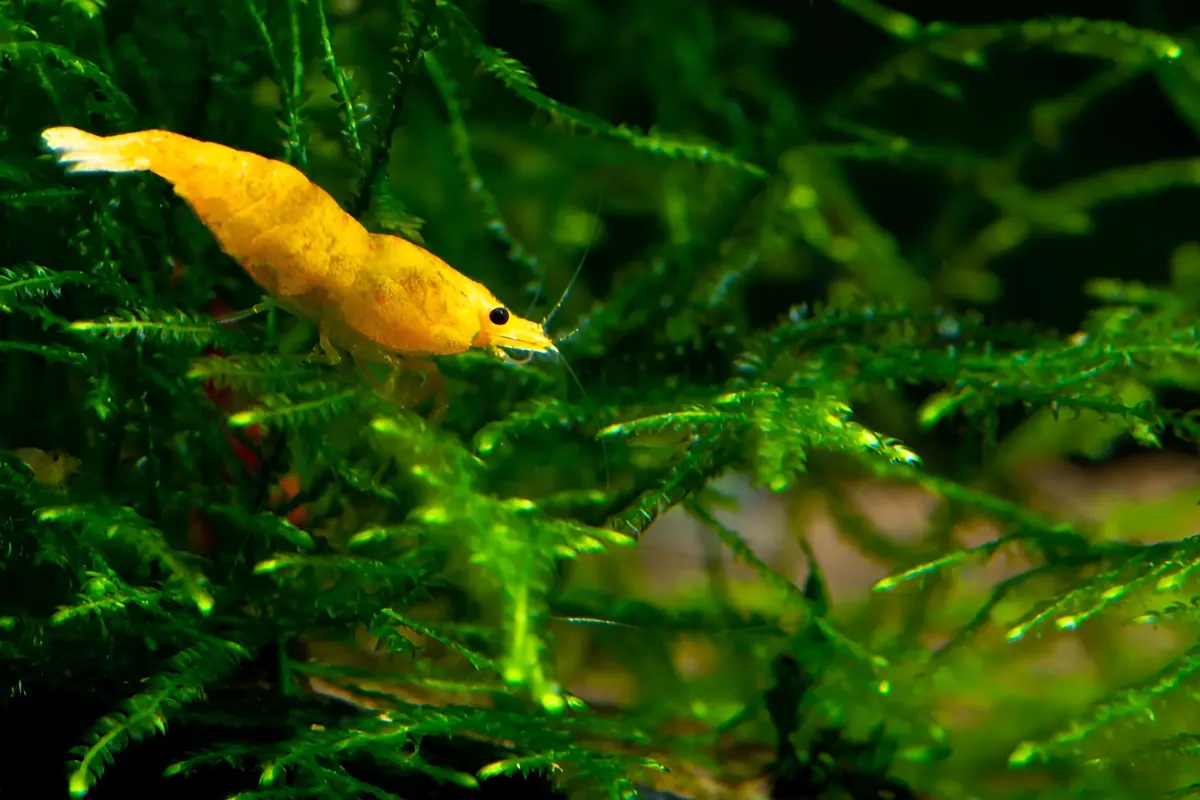
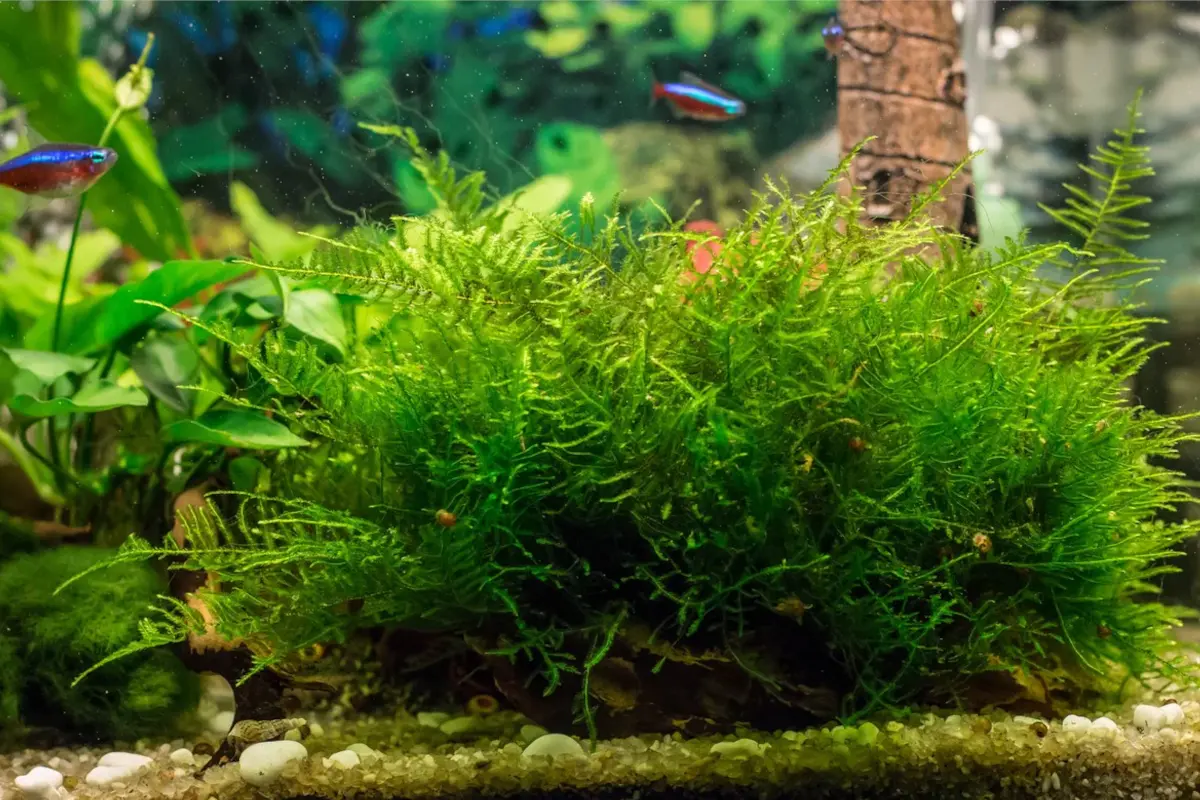
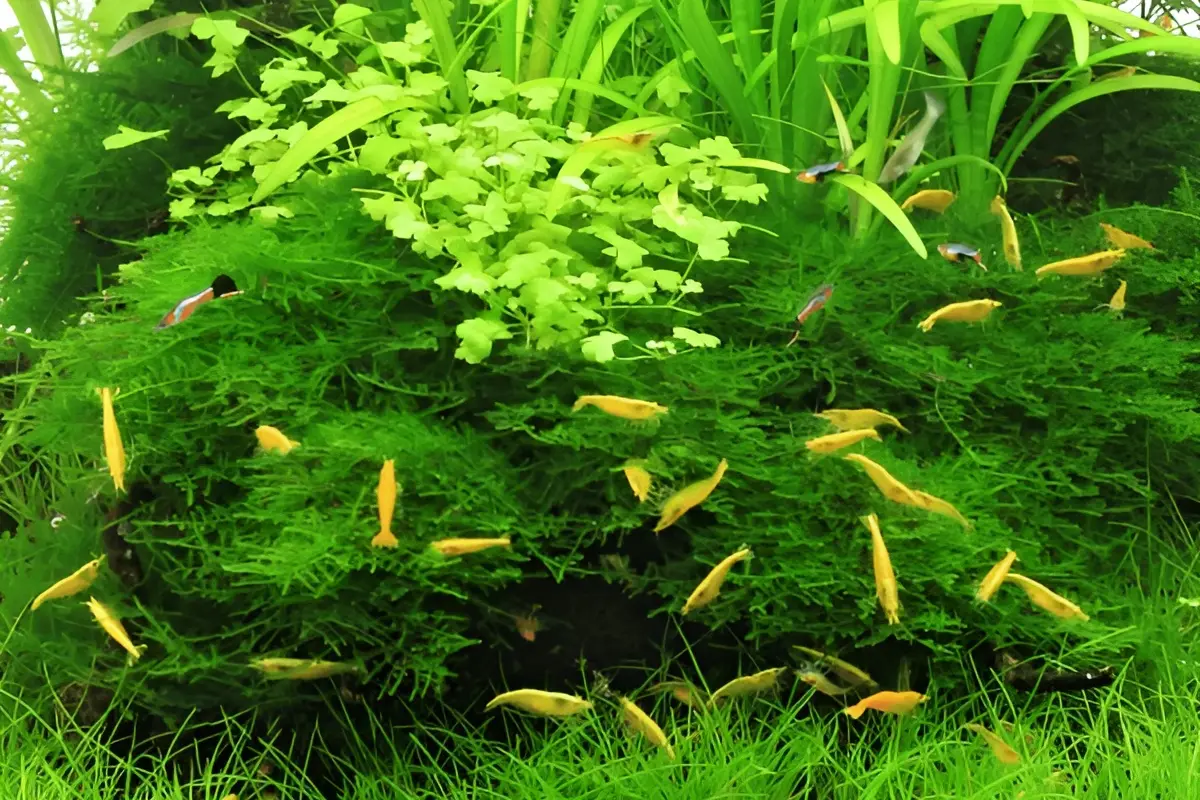
Java Moss (Taxiphyllum barbieri) is arguably the most useful plant in the freshwater aquarium hobby, and for good reason. Native to tropical Southeast Asia, this ancient moss clings to almost any surface—driftwood, rocks, mesh, and even bare glass—forming dense, deep-green cushions that give any new tank an immediate sense of established maturity. It is the plant we would recommend to every beginner, and one that no experienced scape is ever truly without.
Attach it to hardscape with aquarium-safe glue or dark cotton thread and let it do its thing. It tolerates an enormous pH range of 5.0–8.0 and temperatures from 15–30°C, requires no $CO_2$, and will survive low light, though moderate light and a consistent liquid fertiliser reward you with thicker, more compact growth. Keep it trimmed to prevent inner layers from browning through a lack of flow and light.
Beyond aesthetics, Java Moss works as a natural nitrate sponge and a breeding ground for beneficial bacteria. In a shrimp or fry tank, it is practically irreplaceable; the dense structure provides constant microorganism grazing and genuine protection for the smallest inhabitants. Highly recommended for anyone setting up a planted tank in South Africa.
| Scientific Name | Taxiphyllum barbieri |
|---|---|
| Family | Hypnaceae |
| Origin | Southeast Asia |
| Growth Rate | Moderate |
| Placement | Foreground / Midground / Accent |
| Height | 3–10 cm |
| Light Demand | Very low to moderate |
| CO2 Demand | Low |
| Propagation | Division |
| Difficulty | Very easy |
| pH | 5.0–8.0 |
| Temperature | 15–30°C |
Free shipping over R2500
Shipped Monday-Wednesday via Eco or Overnight Express for the safety of the livestock
Livebearers
The Male Red Moscow Guppy is a stunning addition to your aquarium, reaching a size of approximately 5 cm, these...
R40,00
Limited Stock!
Plecos
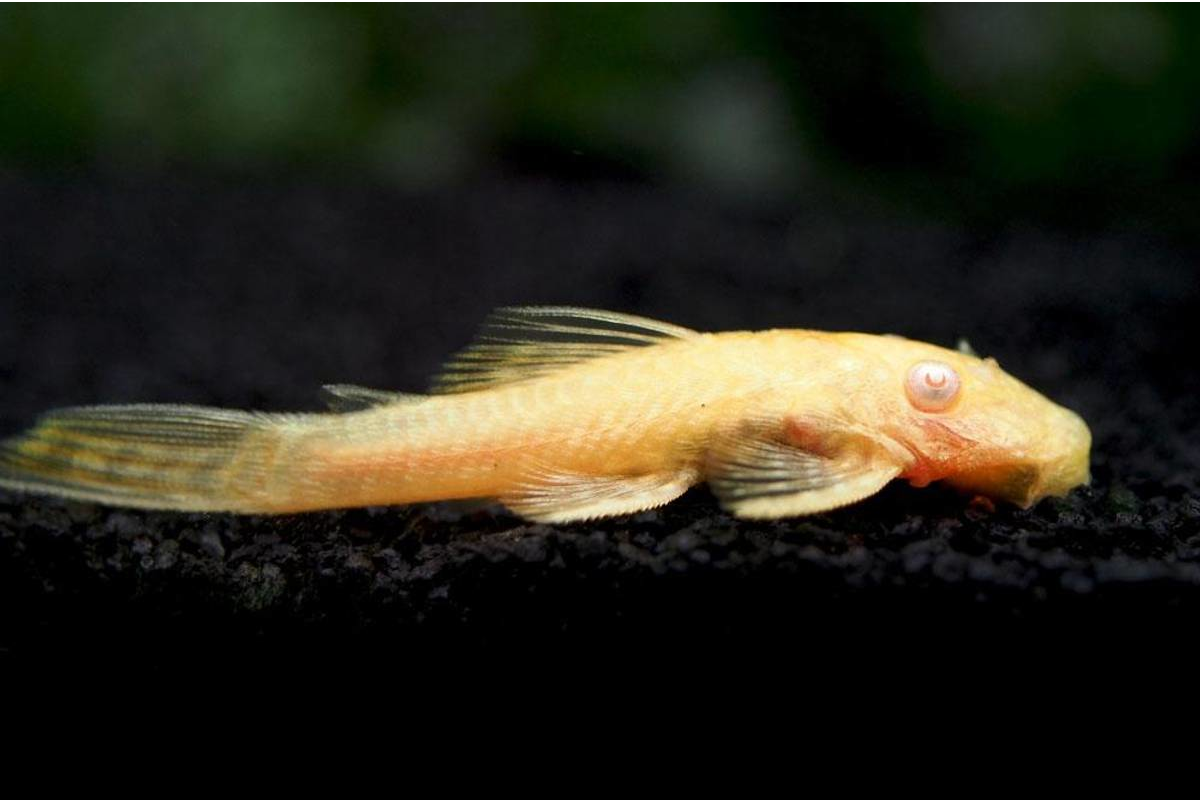
The Albino Ancistrus Pleco or< Albino Bristlenose is a great to any freshwater aquarium. While most plecos are camouflaged in...
R55,00
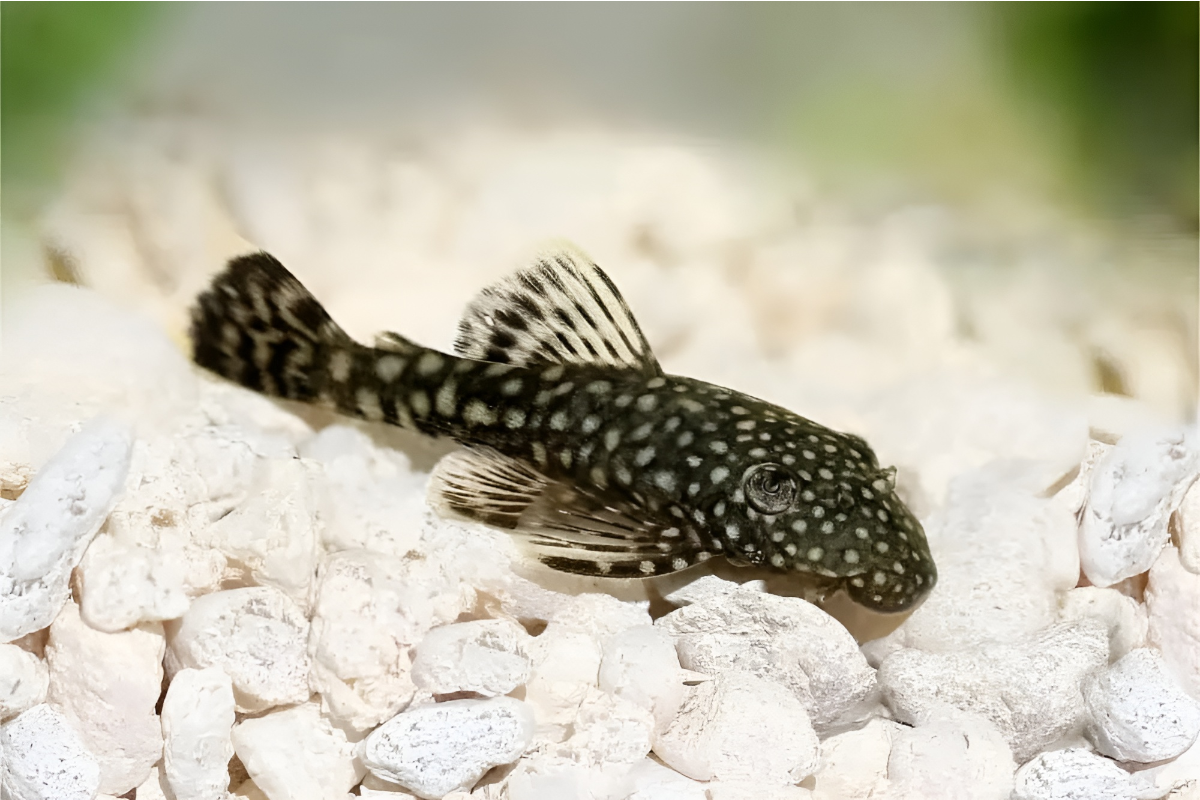
Plecos
The Bristlenose Ancistrus pleco (Ancistrus cf. cirrhosus) is widely considered the one of the best of algae eaters for the home...
R40,00
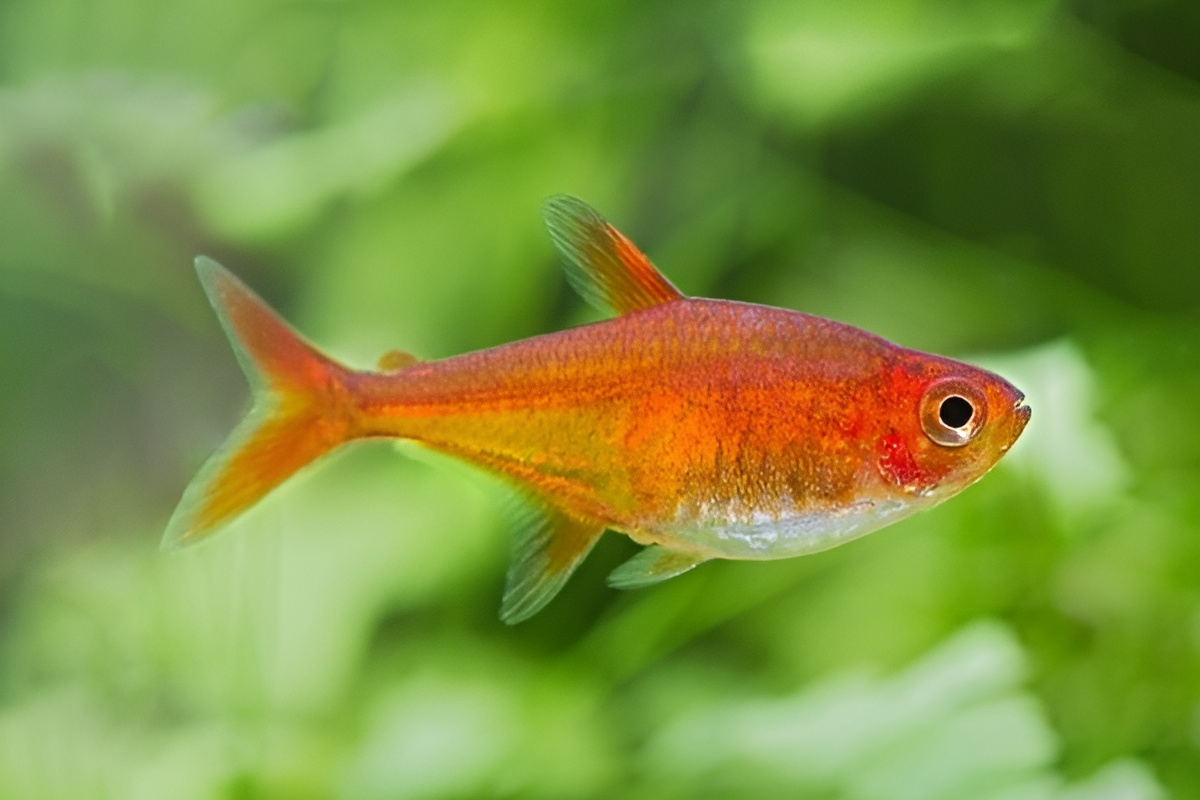
Nano and Community Fish
The Ember Tetra (Hyphessobrycon amandae) is a vibrant, flame-colored jewel that has become a favorite for aquascapers and nano-tank enthusiasts...
R20,00
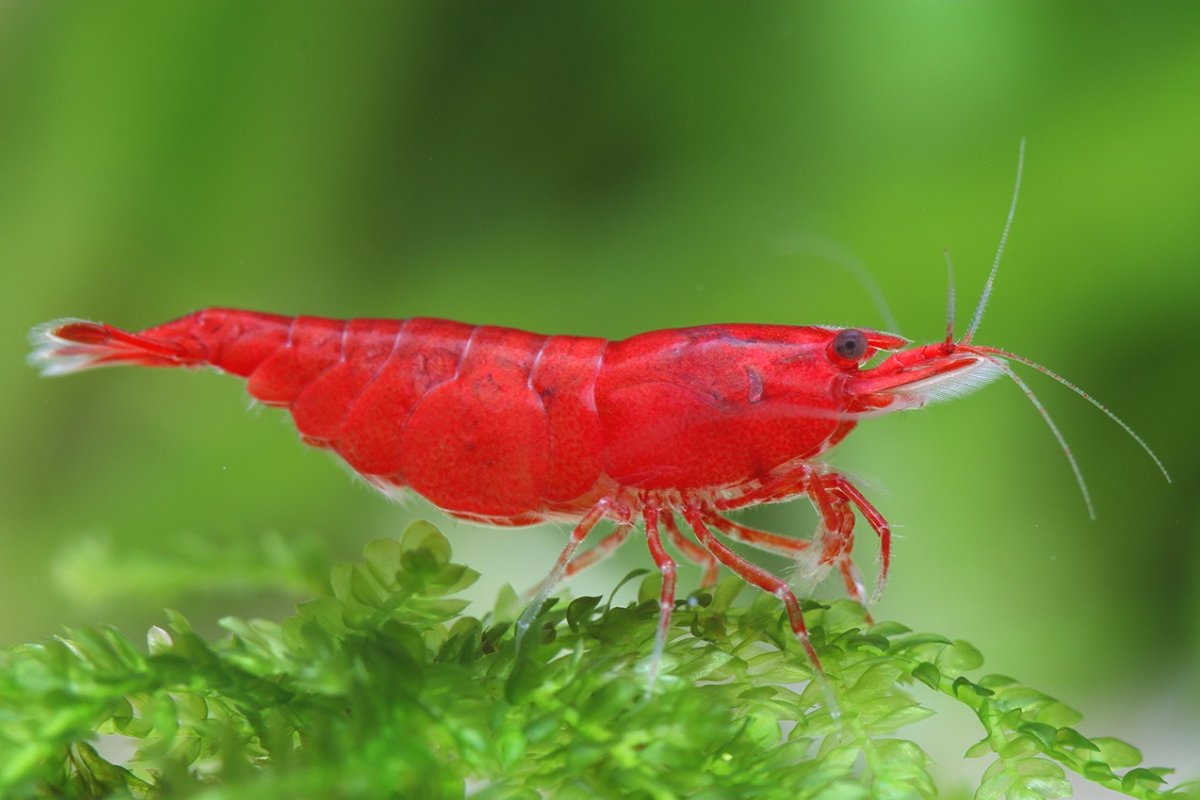
Shrimp
The Bloody Mary Shrimp (Neocaridina davidi) is prized for its intense, deep crimson coloration. Unlike standard Red Cherry Shrimp, whose...
R60,00

Limited Stock!
Loaches
The Kuhli Loach (Pangio kuhlii) brings a sense of whimsy to the bottom of the tank. Featuring a slender, eel-like...
R30,00

Nano and Community Fish
The Rummy Nose Tetra (Petitella rhodostoma) is renowned for its vibrant scarlet-red face and striking black-and-white checkered tail. These sleek,...
R40,00