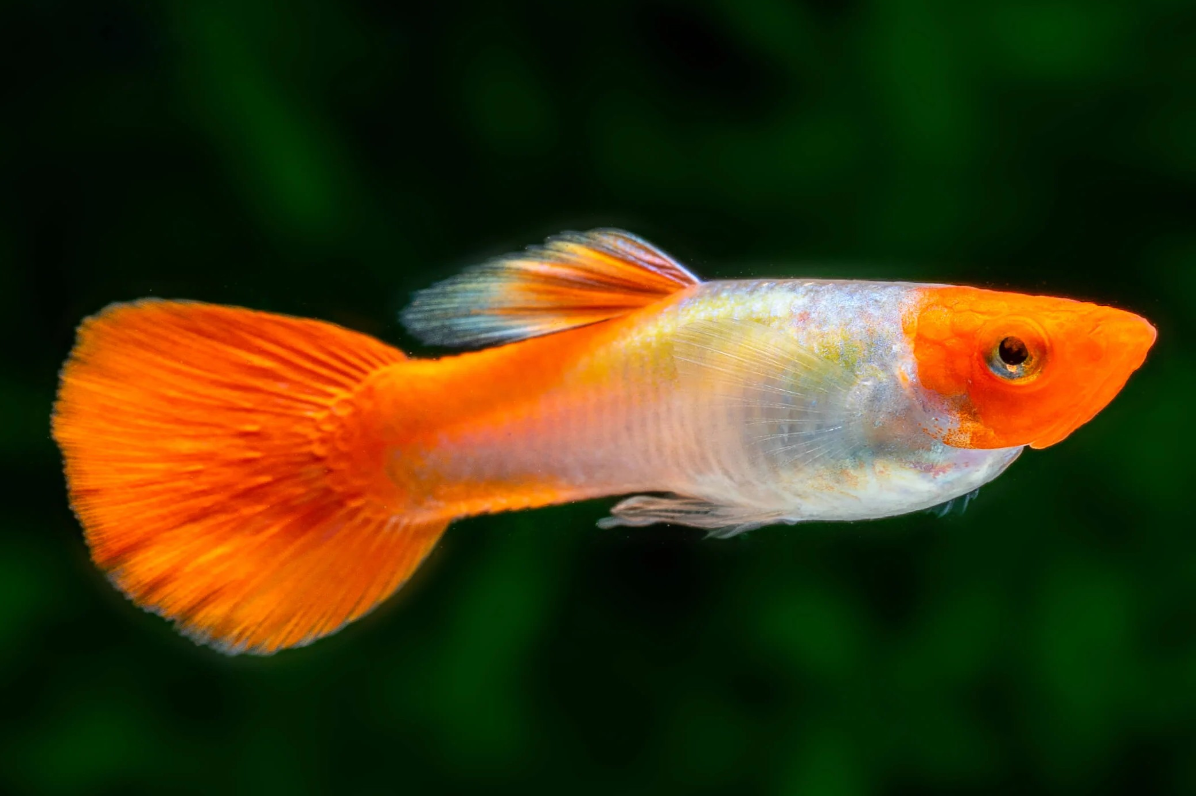
Red Cobra Guppy (Male)
Livebearers
The Red Cap Koi or Red Cap Kohaku Guppy is a stunning color variant of the classic guppy (Poecilia reticulata),...
R40,00
🐠 Free shipping over R2,500 · Flat rate R220 Livestock Ships Between Mon–Wed
Aquarium Plants
Regular PriceR105,00
Customer reviews
6 in stock
We accept the following payment methods




Arrive Alive DOA Policy - Learn more
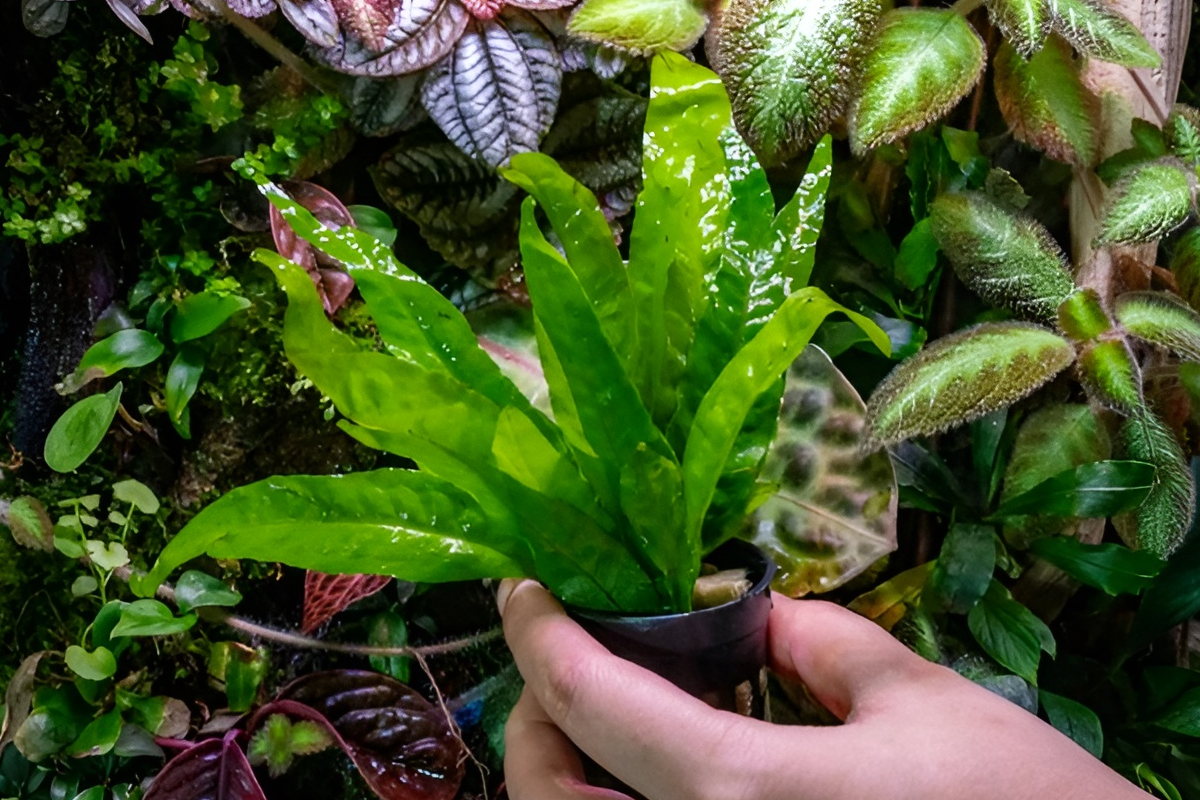
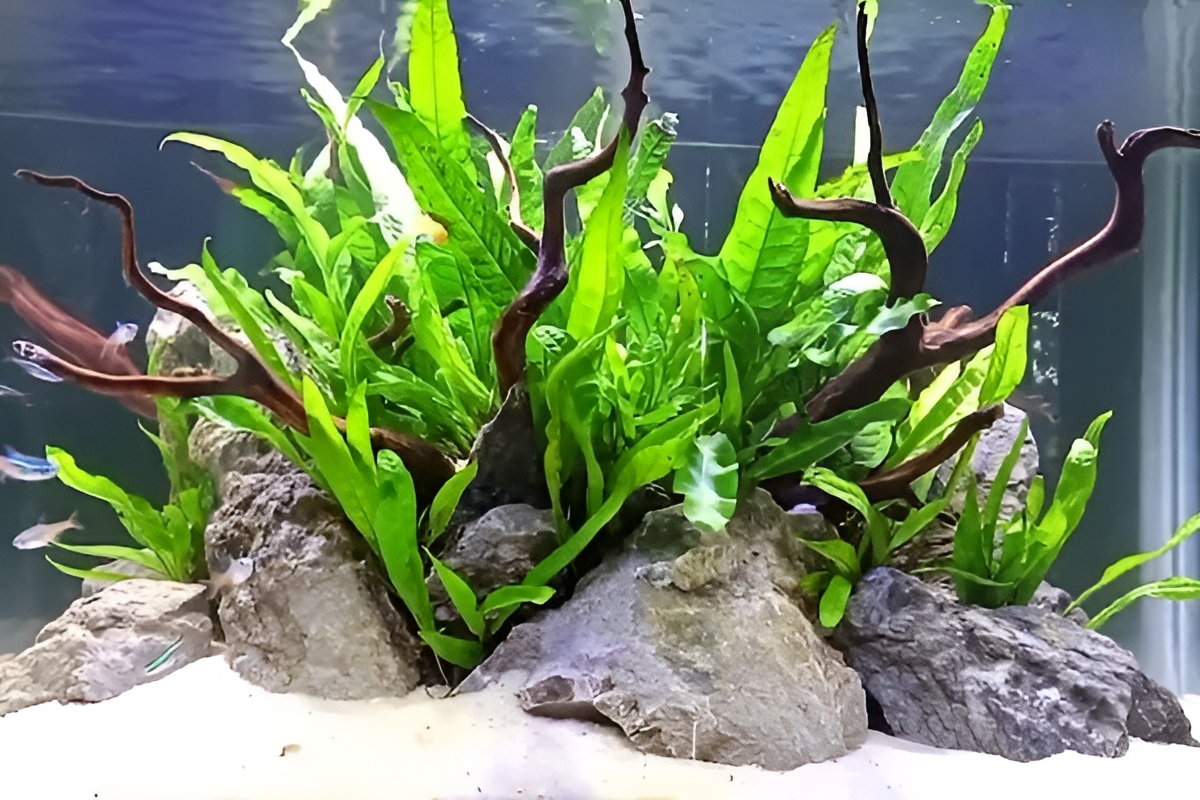
The Java Fern (Leptochilus pteropus) is an iconic, slow-growing aquatic plant known for its long, leathery, dark-green fronds. Reaching a height of 15–35 cm , it is the ultimate “low-maintenance” plant. Native to the riverbanks of Southeast Asia, they are unique because they grow best when attached to surfaces like driftwood or rocks rather than being planted in the soil.
Avoid burying them in the substrate, use aquarium-safe glue or fishing line to anchor them to your hardscape. They can handle a very wide pH range of 6.0–8.0 and are incredibly adaptable to various water hardness levels. They are perfect for tanks without high-end lighting systems, and they will even thrive in shaded areas where other plants might wither.
Avoid burying the rhizome, this is the most common reason for the plant to rot. Since they absorb their nutrients directly from the water column through their leaves and roots, they benefit greatly from the addition of a liquid fertilizer.
| Scientific Name | Leptochilus pteropus |
|---|---|
| Family | Polypodiaceae |
| Origin | Southeast Asia |
| Growth Rate | Slow |
| Placement | Midground / Background |
| Height | 15–35 cm |
| Light Demand | Low to moderate |
| CO2 Demand | Low |
| Propagation | Rhizome division / Adventitious plantlets |
| Difficulty | Easy |
| pH | 6.0–8.0 |
| Temperature | 20–28°C |
Free shipping over R2500
Shipped Monday-Wednesday via Eco or Overnight Express for the safety of the livestock
Livebearers
The Red Cap Koi or Red Cap Kohaku Guppy is a stunning color variant of the classic guppy (Poecilia reticulata),...
R40,00
Plecos
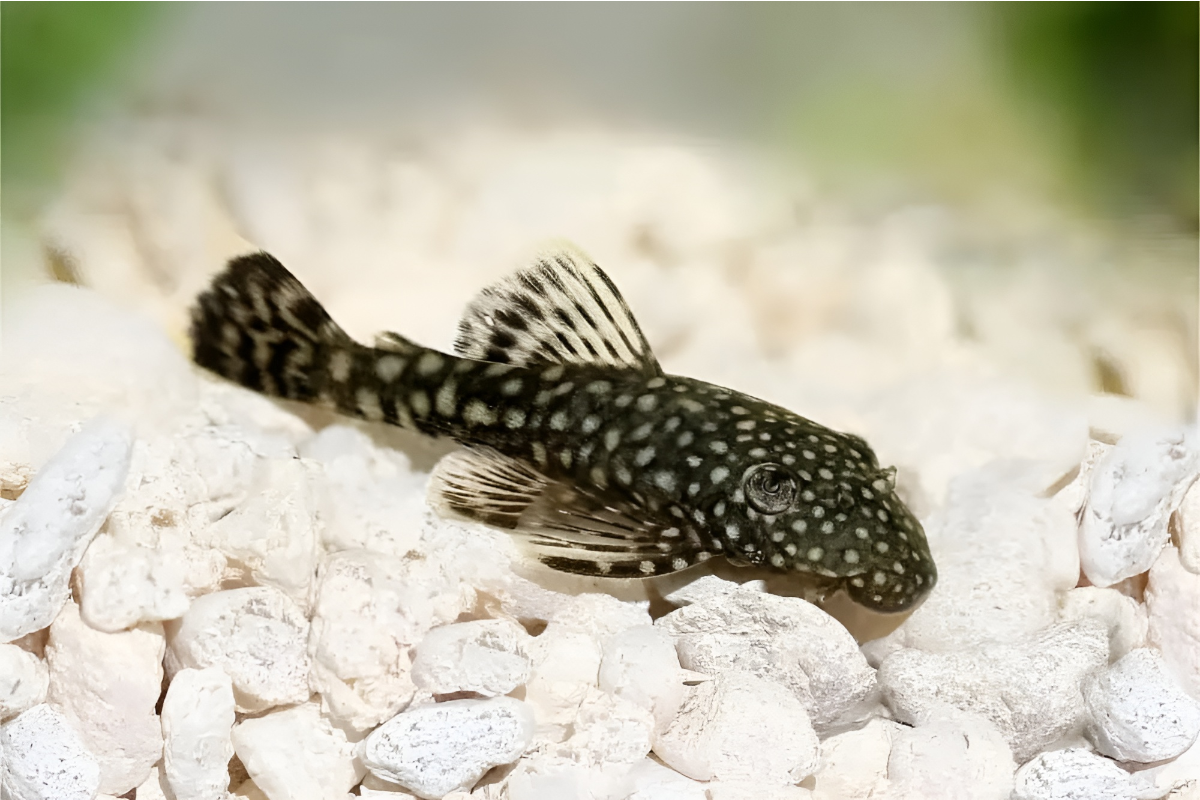
The Bristlenose Ancistrus pleco (Ancistrus cf. cirrhosus) is widely considered the one of the best of algae eaters for the home...
R40,00
Nano and Community Fish
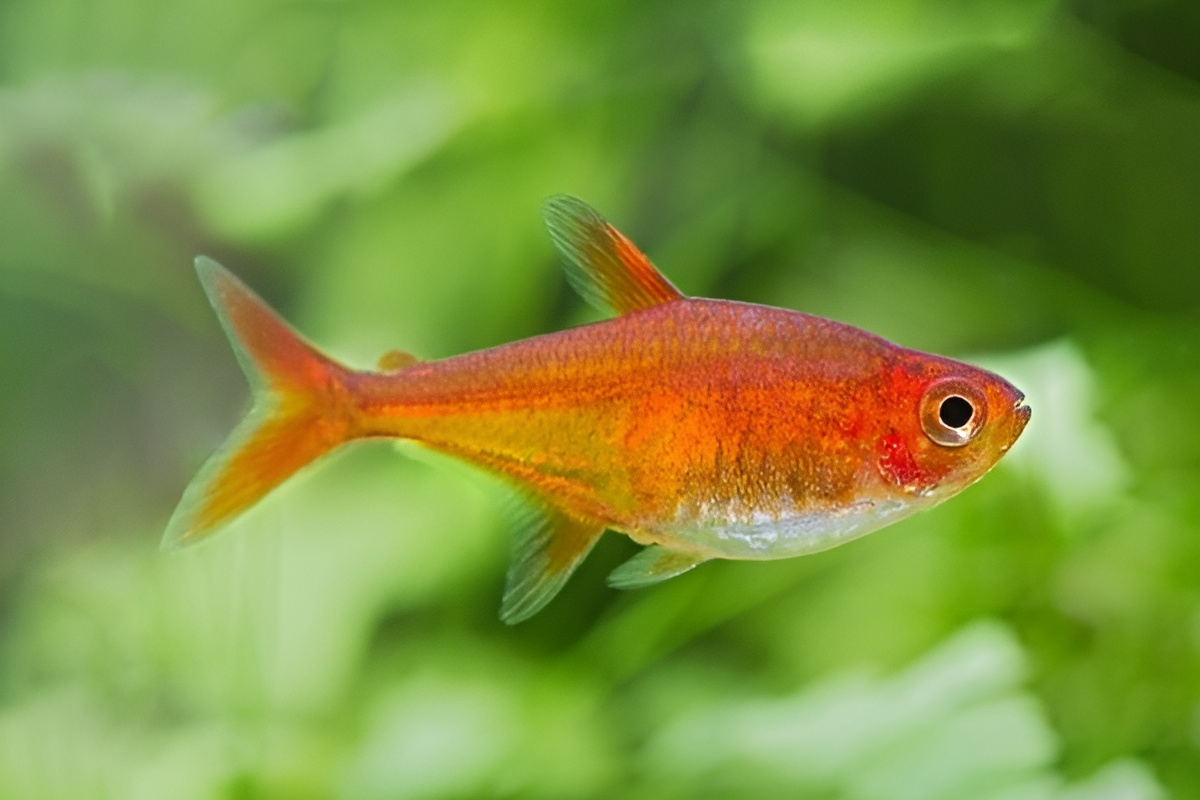
The Ember Tetra (Hyphessobrycon amandae) is a vibrant, flame-colored jewel that has become a favorite for aquascapers and nano-tank enthusiasts...
R20,00

Algae Eaters and Bottom Feeders
The Red Garra (Garra Rufa) goes by many common names, such as the “Spa fish” or doctor fish. Made popular...
R25,00
Nano and Community Fish
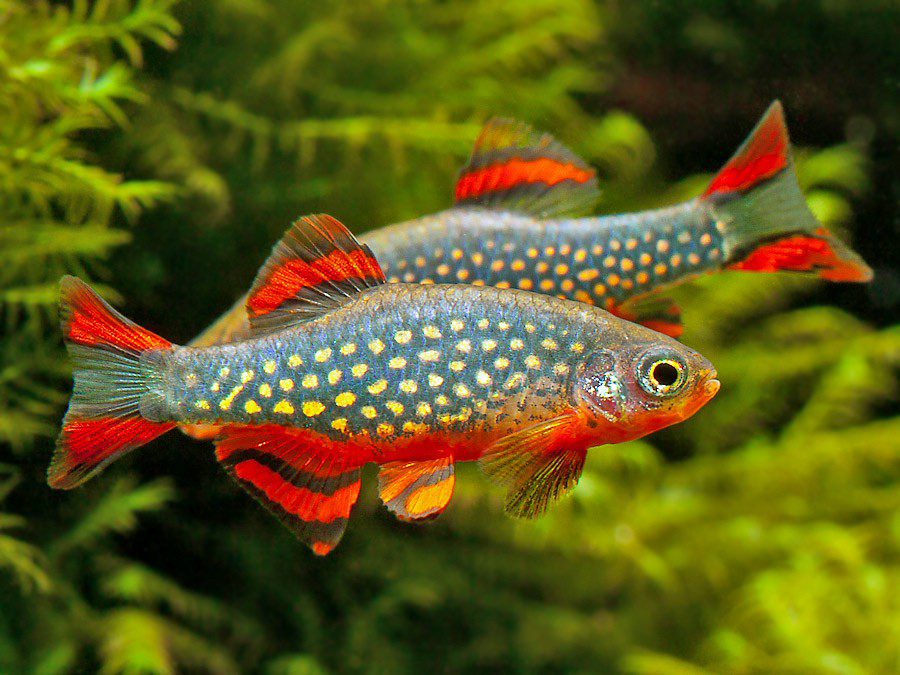
Danio Margaritatus goes by many common names, such as Galaxy Rasbora and Celestial Pearl Danio, because of the striking golden...
R65,00