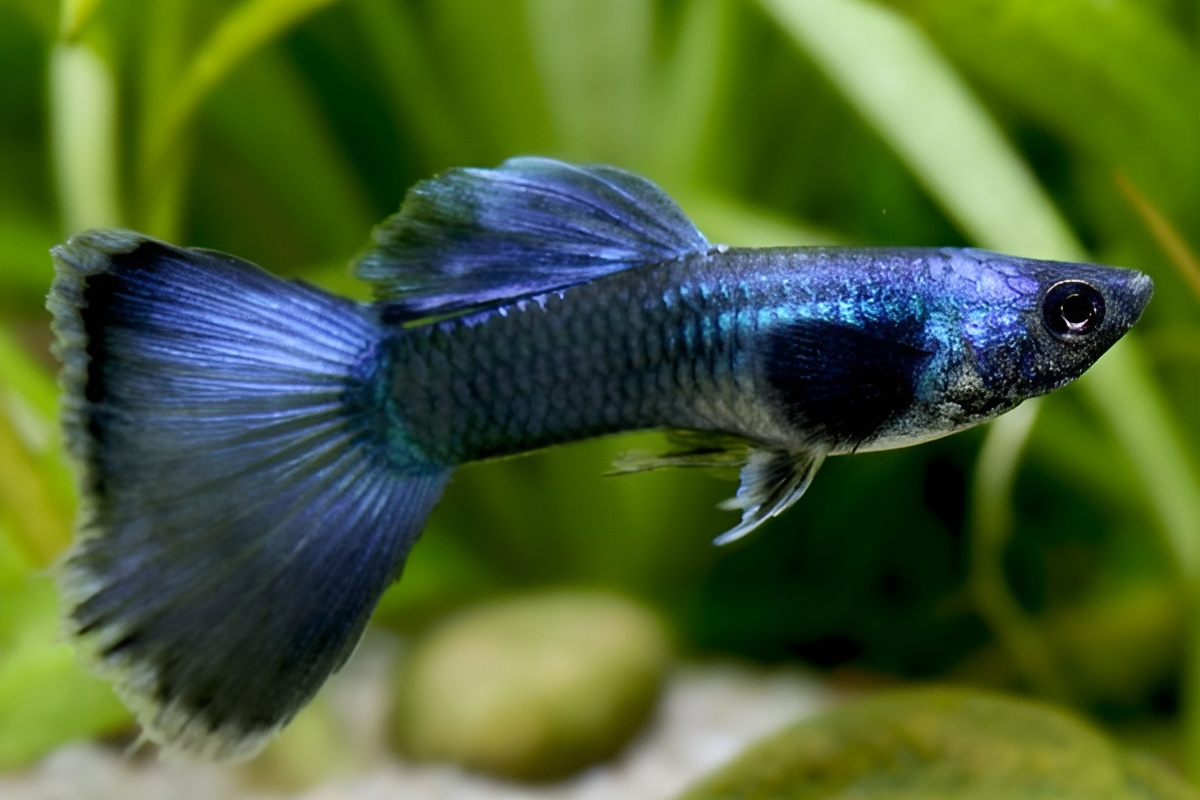
Blue Moscow Guppy (Male)
Livebearers
The Male Blue Moscow Guppy (Poecilia reticulata) is a highly sought-after strain, famous for its deep, royal blue coloration that...
R40,00
🐠 Free shipping over R2,500 · Flat rate R220 Livestock Ships Between Mon–Wed


Algae Eaters and Bottom Feeders
Regular PriceR25,00
Customer reviews
20 in stock
We accept the following payment methods




Arrive Alive DOA Policy - Learn more
The Red Garra (Garra Rufa) goes by many common names, such as the “Spa fish” or doctor fish. Made popular by health spas in Turkey, where pools full of these fish are used for pedicures, nibbling at visitors feet. These hardy fish have an olive-to-brown body highlighted by a distinct reddish tint on their tail fins and a specialized sucking mouth. Growing up to 10–12 cm long, they are native to the river basins and springs of the Middle East.
Harder water, cooler water suits them well, and a well oxygenated tank is recommended. They are generally peaceful but if kept singly, can behave more aggressively with similarly-shaped fish. We therefore recommend the purchase of 3 or more. Keeping them in a colony helps disperse their natural energy and ensures they feel secure in the aquarium.
They are active bottom-dwellers, spending their days scouring rocks, wood, and glass for biofilm and algae. Our Garra Rufas eat normal fish food, but also enjoy algae wafers quite a bit, or those O-nip tablets you stick on the glass, they eagerly accept frozen treats like bloodworms or brine shrimp. They are best paired with other active species that won’t be bothered by their busy nature.
| Scientific Name | Garra rufa |
|---|---|
| Family | Cyprinidae |
| Origin | Middle East (Turkey, Syria, Iraq, and Iran) |
| Breeding | Egg layer |
| Temperament | Peaceful and active |
| Tank Level | Bottom-dweller |
| Lifespan | Up to 7 years |
| Minimum Tank Size | 100L |
| Size | 10.0–12.0 cm |
| Difficulty | Easy–Intermediate |
| pH | 7.0–8.0 |
| Temperature | 18–24°C |
Free shipping over R2500
Shipped Monday-Wednesday via Eco or Overnight Express for the safety of the livestock
Livebearers
The Male Blue Moscow Guppy (Poecilia reticulata) is a highly sought-after strain, famous for its deep, royal blue coloration that...
R40,00
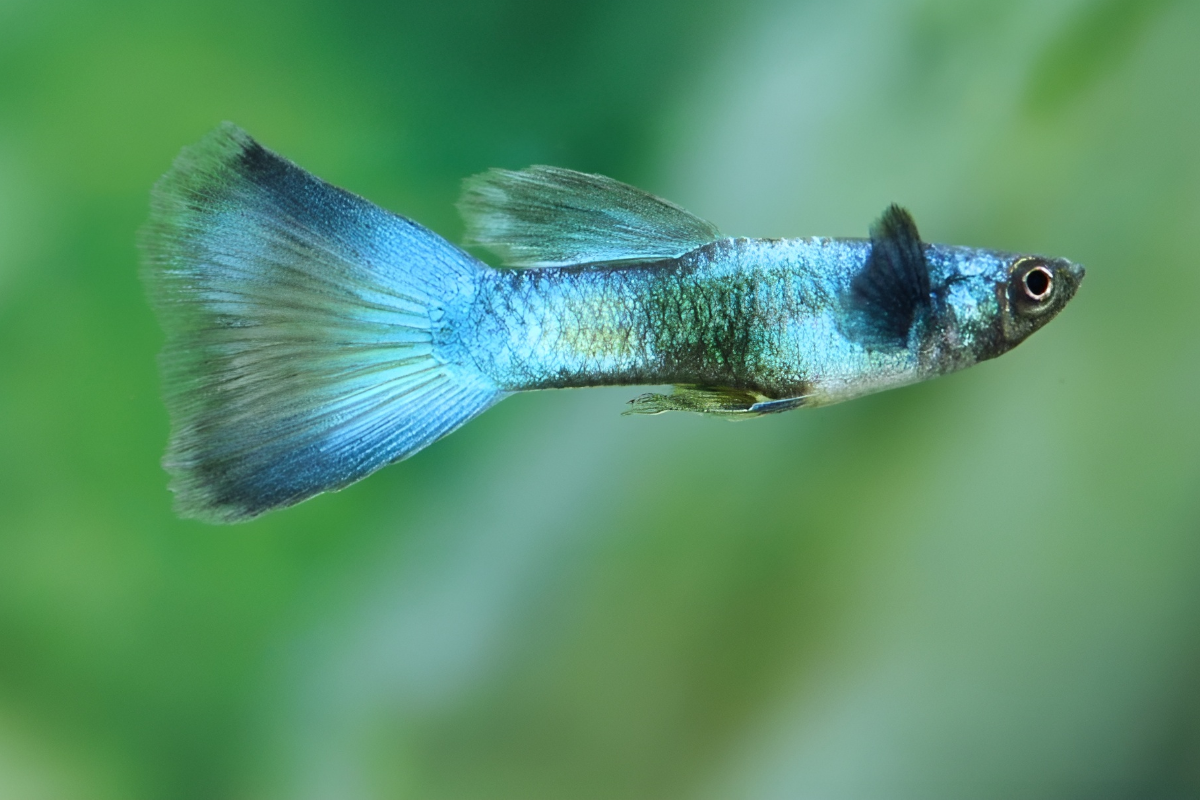
Livebearers
The Male Green Moscow Guppy is a rare and mesmerising variation with green colouration and metallic sheen that saturates its...
R40,00
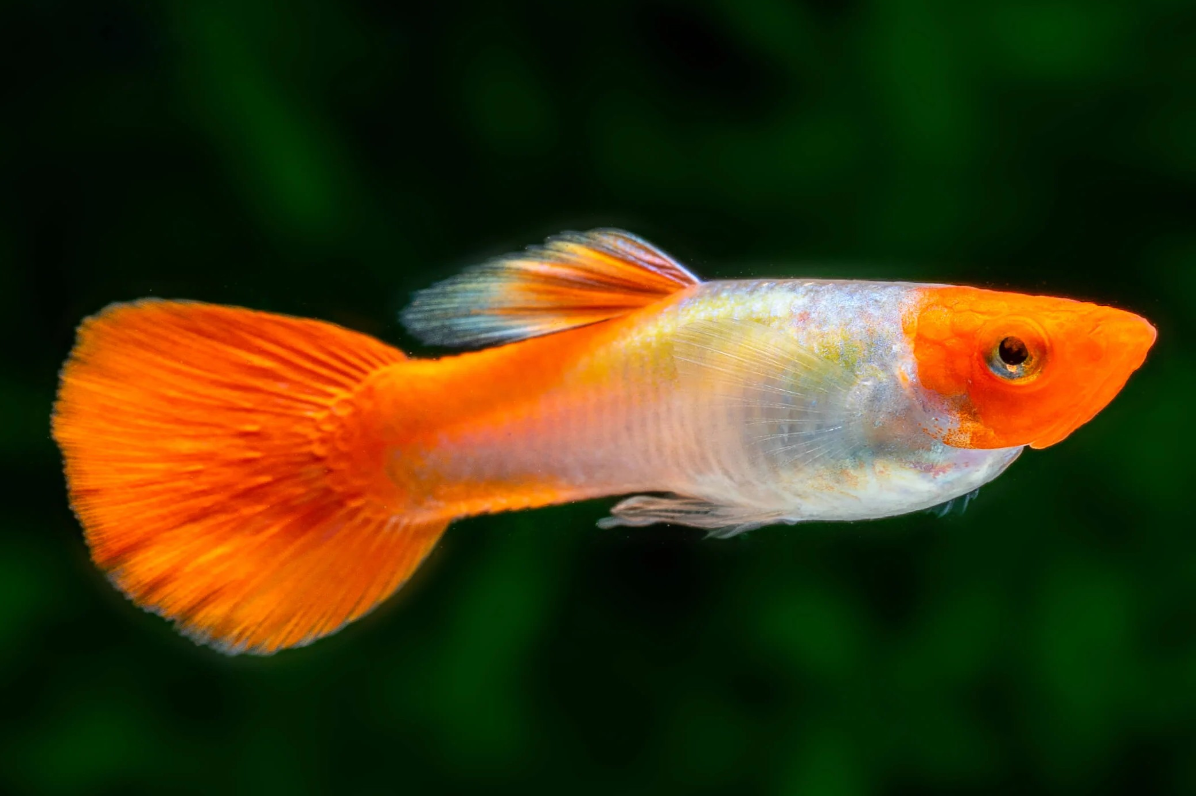
Livebearers
The Red Cap Koi or Red Cap Kohaku Guppy is a stunning color variant of the classic guppy (Poecilia reticulata),...
R40,00

Nano and Community Fish
The Rasbora Maculata (Boraras maculatus), known as the dwarf Rasbora or Spotted Rasbora, is one of the smallest aquarium fish...
R35,00
Shrimp
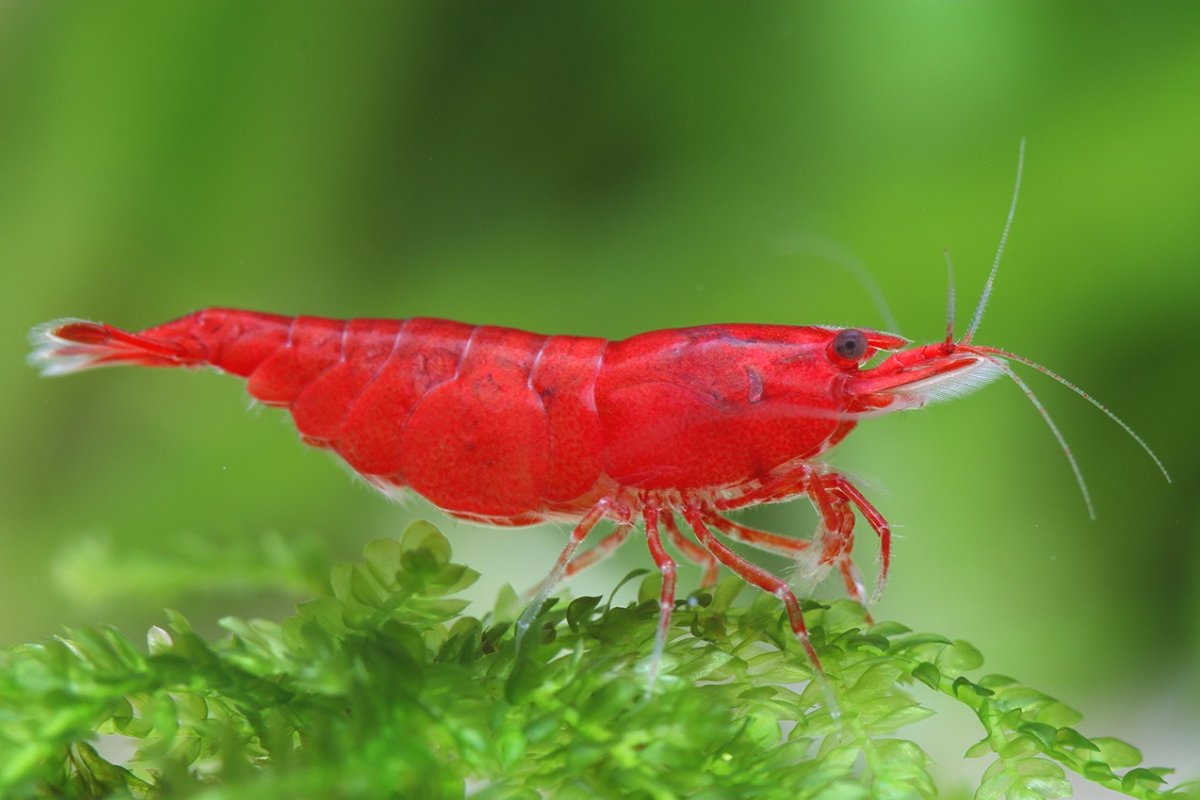
The Bloody Mary Shrimp (Neocaridina davidi) is prized for its intense, deep crimson coloration. Unlike standard Red Cherry Shrimp, whose...
R60,00

Livebearers
The Dumbo Ear Mosaic Guppy female (Poecilia reticulata) is a designer variant that brings a unique look to the aquarium....
R35,00
Nano and Community Fish
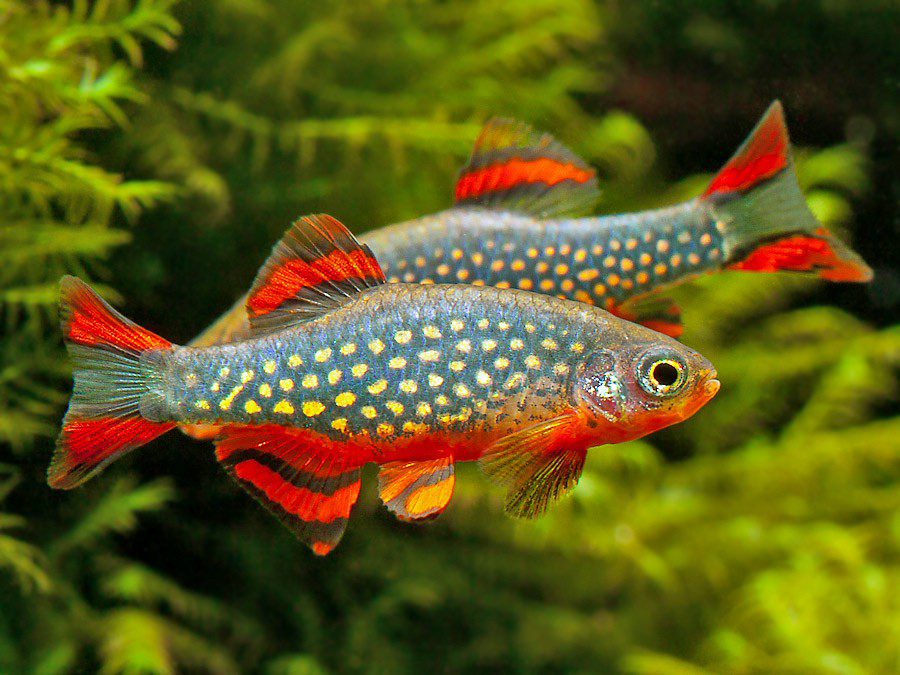
Danio Margaritatus goes by many common names, such as Galaxy Rasbora and Celestial Pearl Danio, because of the striking golden...
R65,00