Green Moscow Guppy (Male)
Livebearers
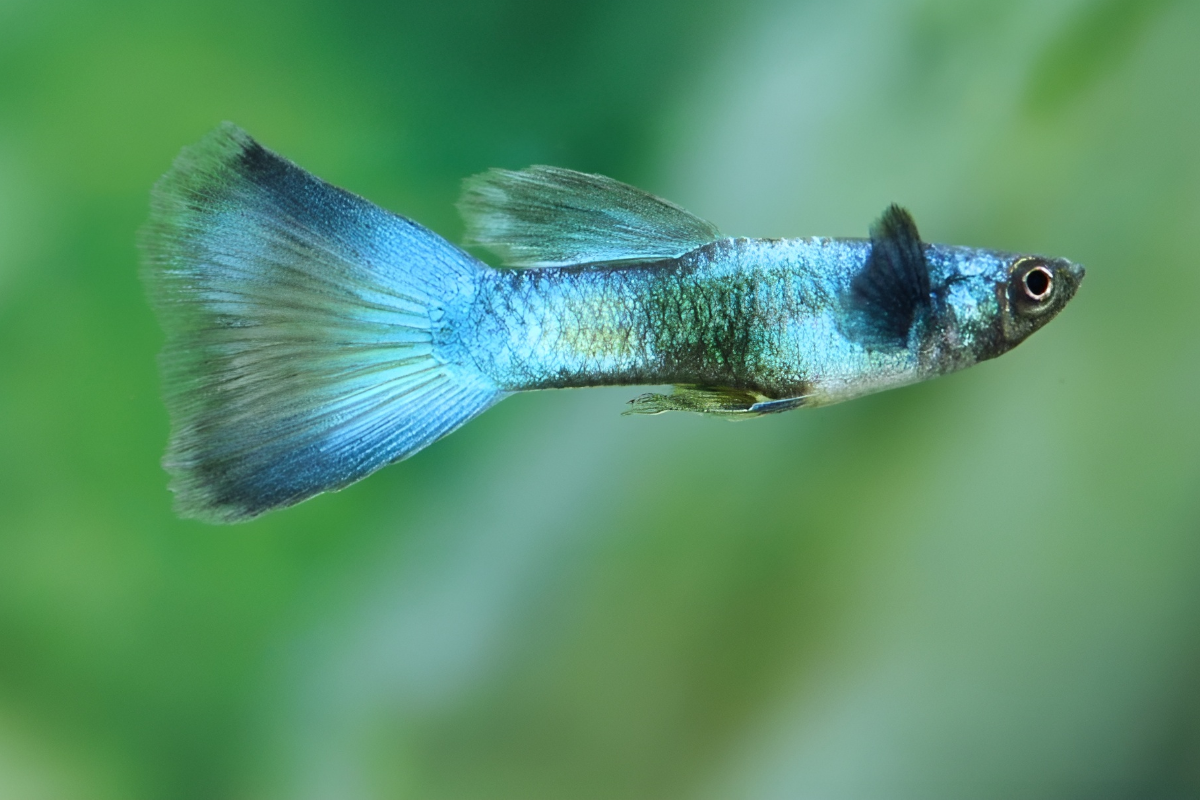
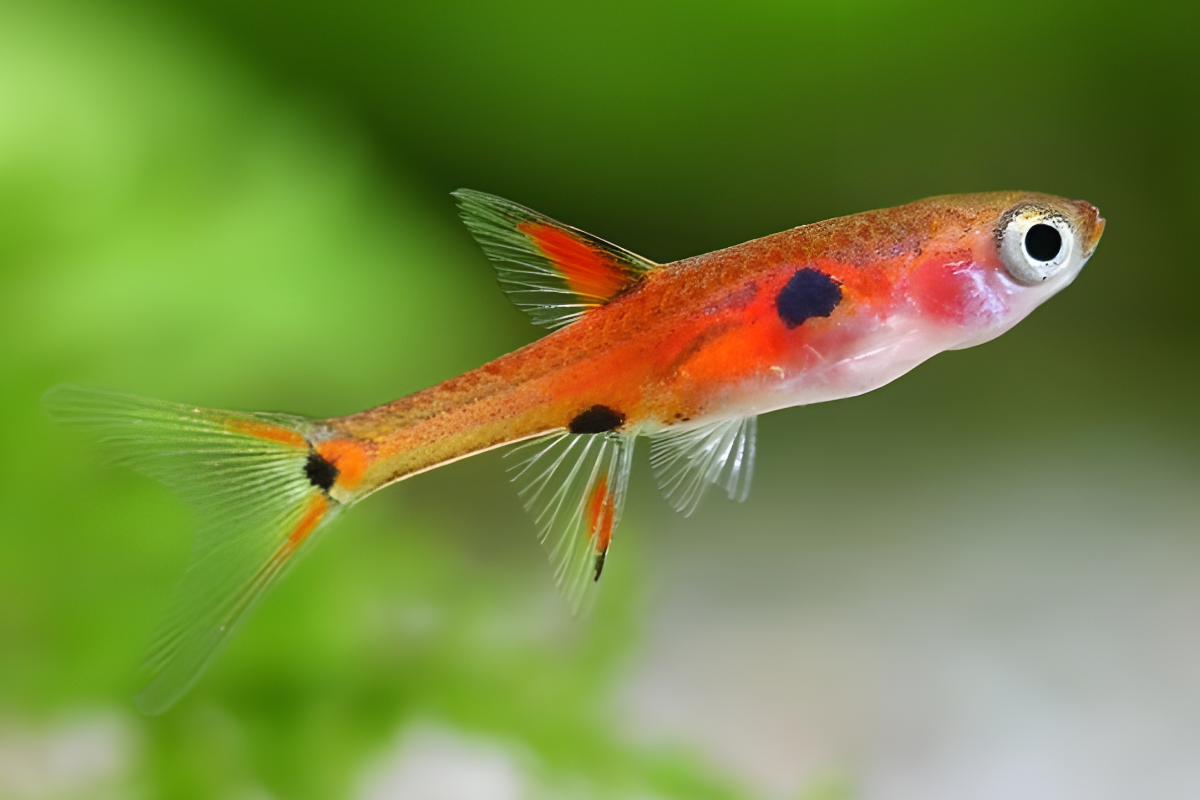
The Male Green Moscow Guppy is a rare and mesmerising variation with green colouration and metallic sheen that saturates its...
R40,00
🐠 Free shipping over R2,500 · Flat rate R220 Livestock Ships Between Mon–Wed

Nano and Community Fish
Regular PriceR35,00
Customer reviews
4 in stock
We accept the following payment methods




Arrive Alive DOA Policy - Learn more
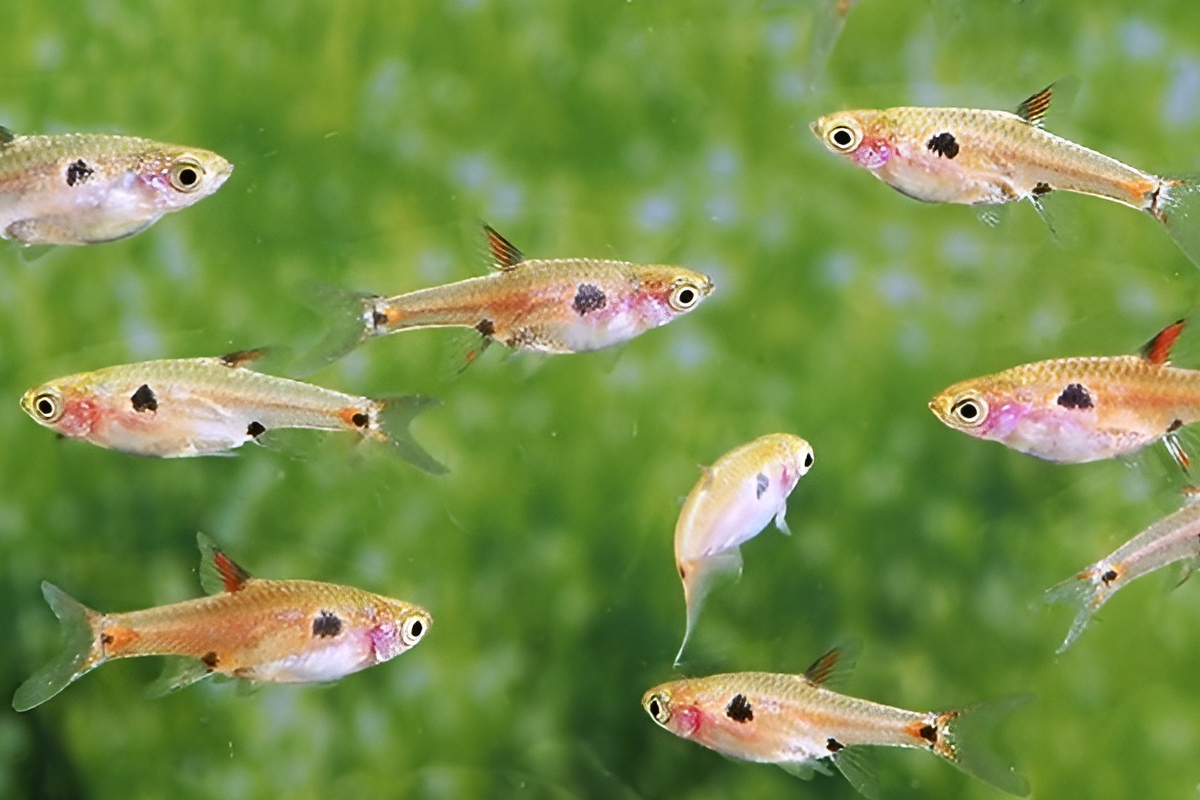
The Rasbora Maculata (Boraras maculatus), known as the dwarf Rasbora or Spotted Rasbora, is one of the smallest aquarium fish in the world. Reaching a maximum size of just 2.5 cm , these nano fish feature a vibrant red-to-pink body adorned with three distinct dark spots, one on the side, one at the base of the tail, and one near the back fin. Native to the soft, acidic blackwater streams of Southeast Asia, they are the perfect residents for aquascapes and make a stunning display.
While the standard rule for schooling fish is six, because of their tiny size and social nature, we strongly suggest buying 10–15 Rasbora Maculatas at a time. In a large group, they feel secure enough to showcase their natural schooling behavior. You want their lives to be as natural as yours is. A happy tank is a healthy tank!
Given their diminutive stature, you must be extremely careful with tank mates. They should only be kept with other peaceful small species. To keep them thriving, feed tiny, high-quality foods that fit their minuscule mouths. Their favorite meals include baby brine shrimp, Moina, flakes, and specialised micro-pellets.
| Scientific Name | Boraras maculatus |
|---|---|
| Family | Danionidae |
| Origin | Southeast Asia (Malaysia, Singapore, and Indonesia) |
| Breeding | Egg layer |
| Temperament | Peaceful |
| Tank Level | Top-Mid dweller |
| Lifespan | 3–5 years |
| Minimum Tank Size | 40L |
| Size | 2.0–2.5 cm |
| Difficulty | Intermediate |
| pH | 4.0–6.5 |
| Temperature | 20–28°C |
Free shipping over R2500
Shipped Monday-Wednesday via Eco or Overnight Express for the safety of the livestock
Livebearers
The Male Green Moscow Guppy is a rare and mesmerising variation with green colouration and metallic sheen that saturates its...
R40,00

Limited Stock!
Corydoras and Catfish
The Pygmy Corydora ( Corydoras pygmaeus) is a charming little addition to your tank. Unlike most species of Cory that...
R55,00
Livebearers
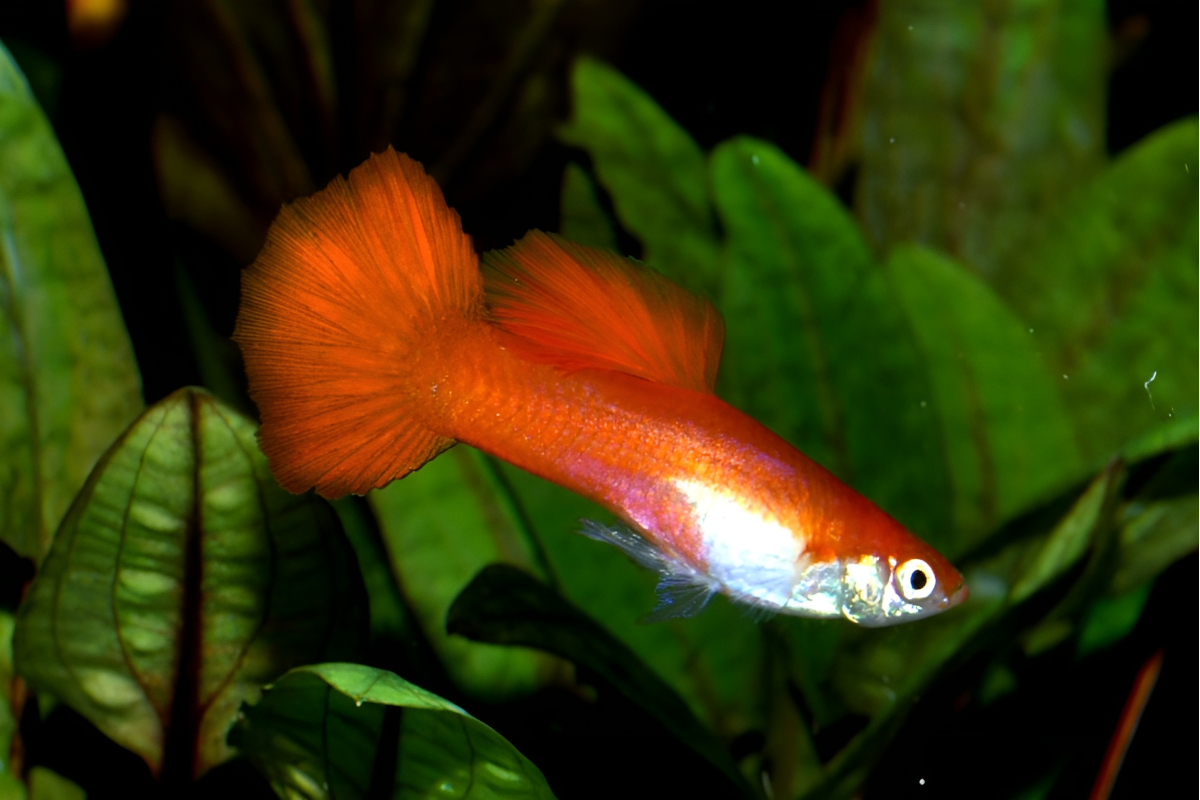
The Red Queen Guppy (Poecilia reticulata) is one of the most vibrant and regal colour strains of guppies available. Growing...
R40,00
Limited Stock!
Plecos
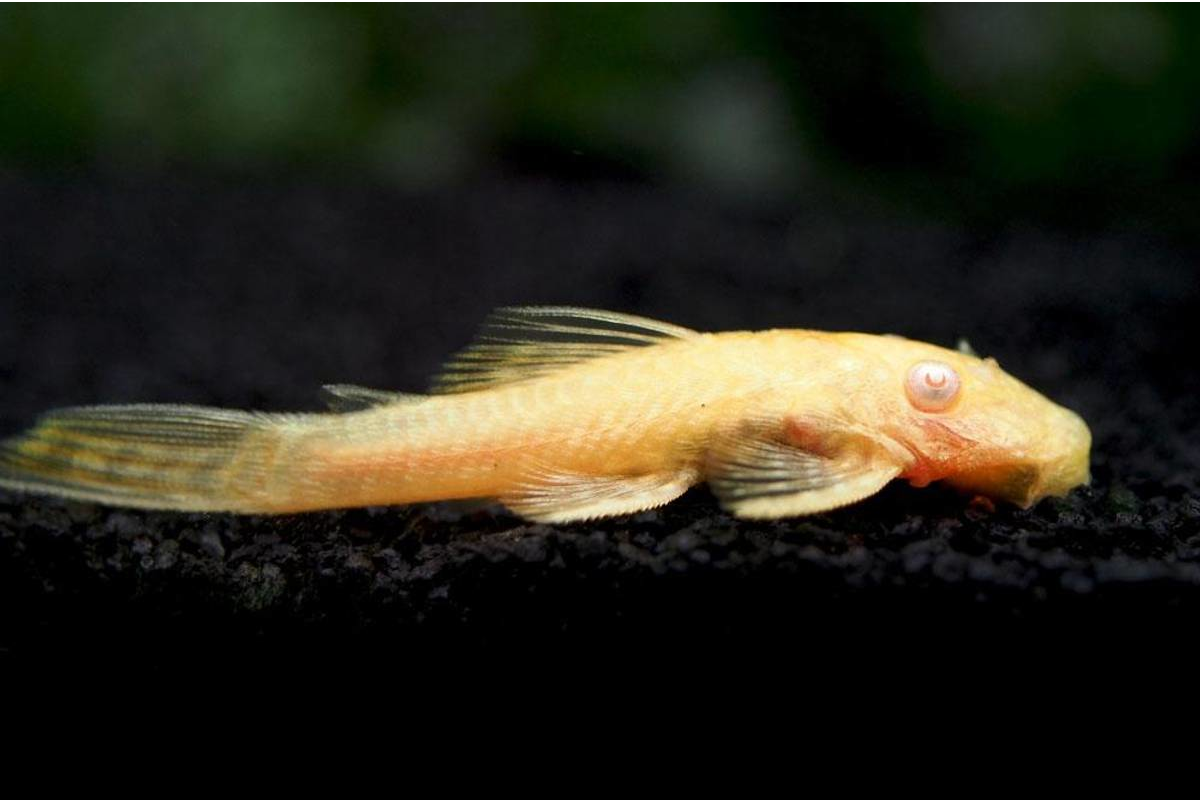
The Albino Ancistrus Pleco or< Albino Bristlenose is a great to any freshwater aquarium. While most plecos are camouflaged in...
R55,00

Livebearers
The Dumbo Ear Mosaic Guppy female (Poecilia reticulata) is a designer variant that brings a unique look to the aquarium....
R35,00

Limited Stock!
Loaches
The Kuhli Loach (Pangio kuhlii) brings a sense of whimsy to the bottom of the tank. Featuring a slender, eel-like...
R30,00
Nano and Community Fish
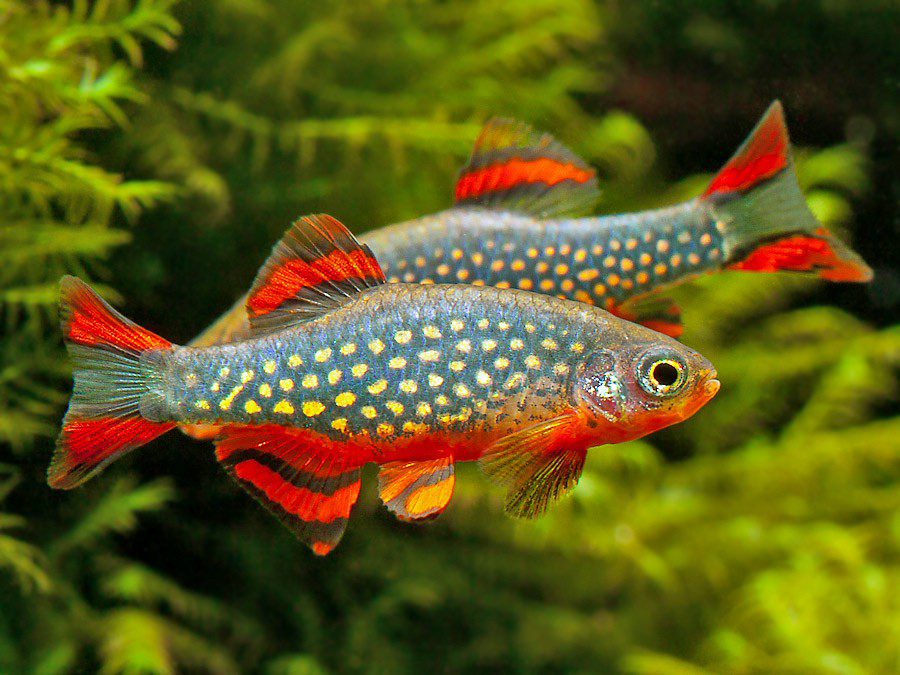
Danio Margaritatus goes by many common names, such as Galaxy Rasbora and Celestial Pearl Danio, because of the striking golden...
R65,00