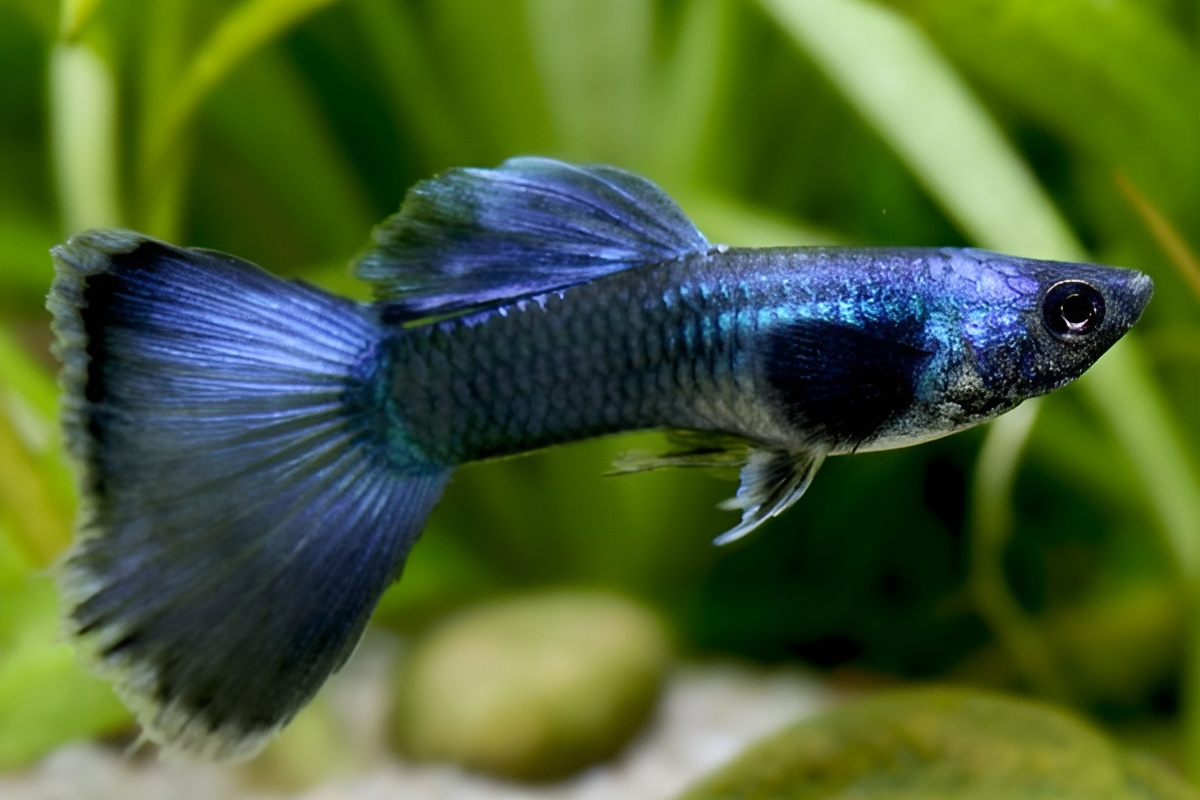
Blue Moscow Guppy (Male)
Livebearers
The Male Blue Moscow Guppy (Poecilia reticulata) is a highly sought-after strain, famous for its deep, royal blue coloration that...
R40,00
🐠 Free shipping over R2,500 · Flat rate R220 Livestock Ships Between Mon–Wed
Nano and Community Fish
Regular PriceR60,00
Customer reviews
4 in stock
We accept the following payment methods




Arrive Alive DOA Policy - Learn more
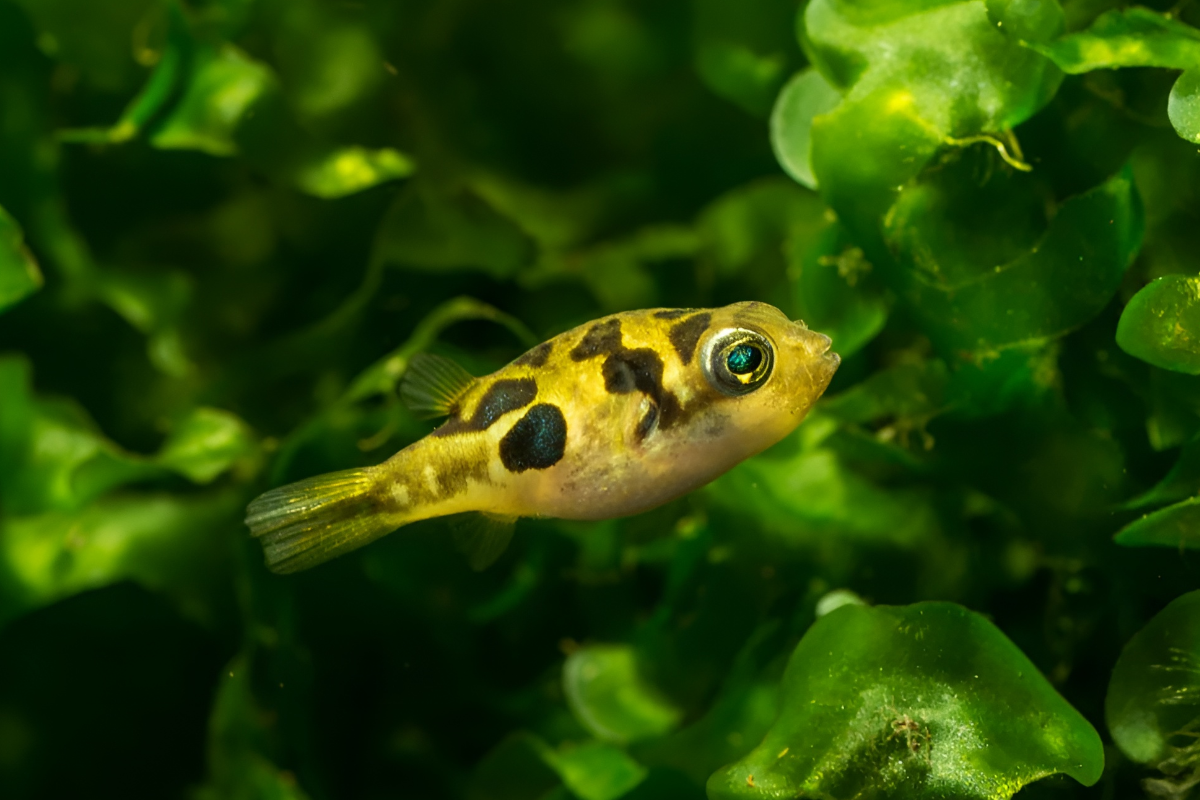
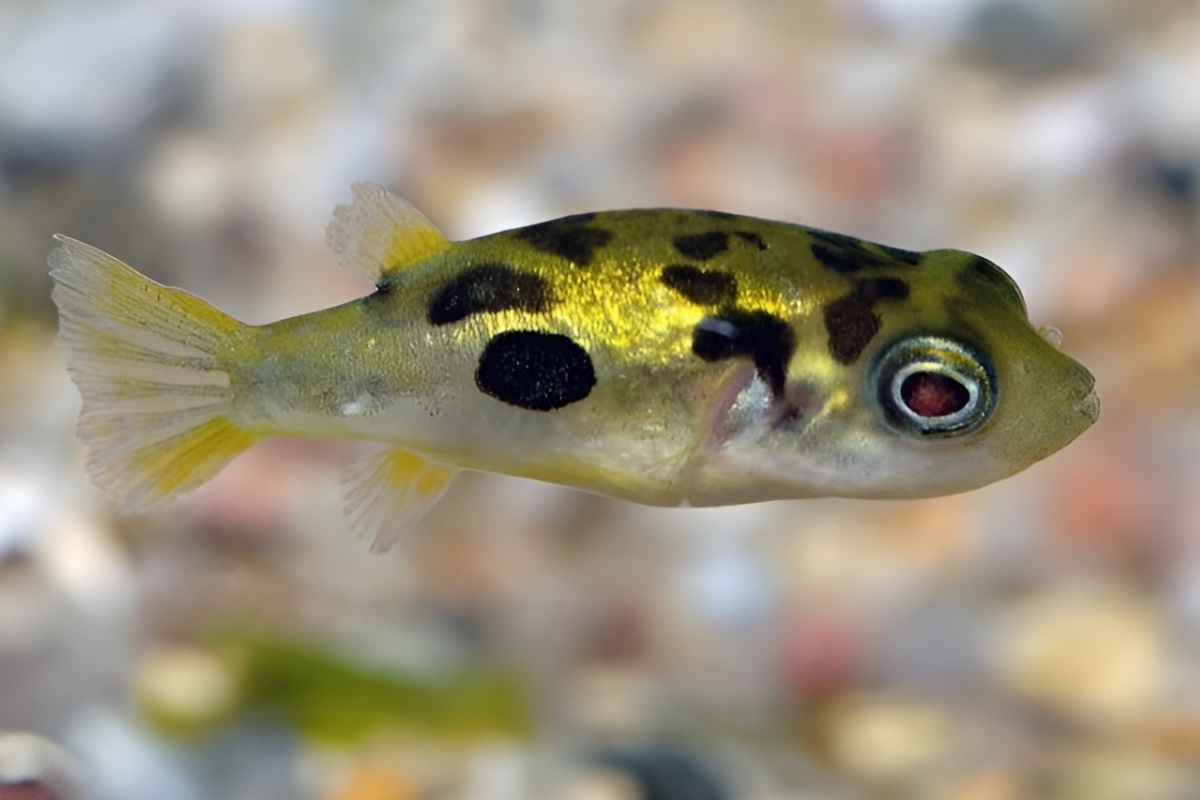
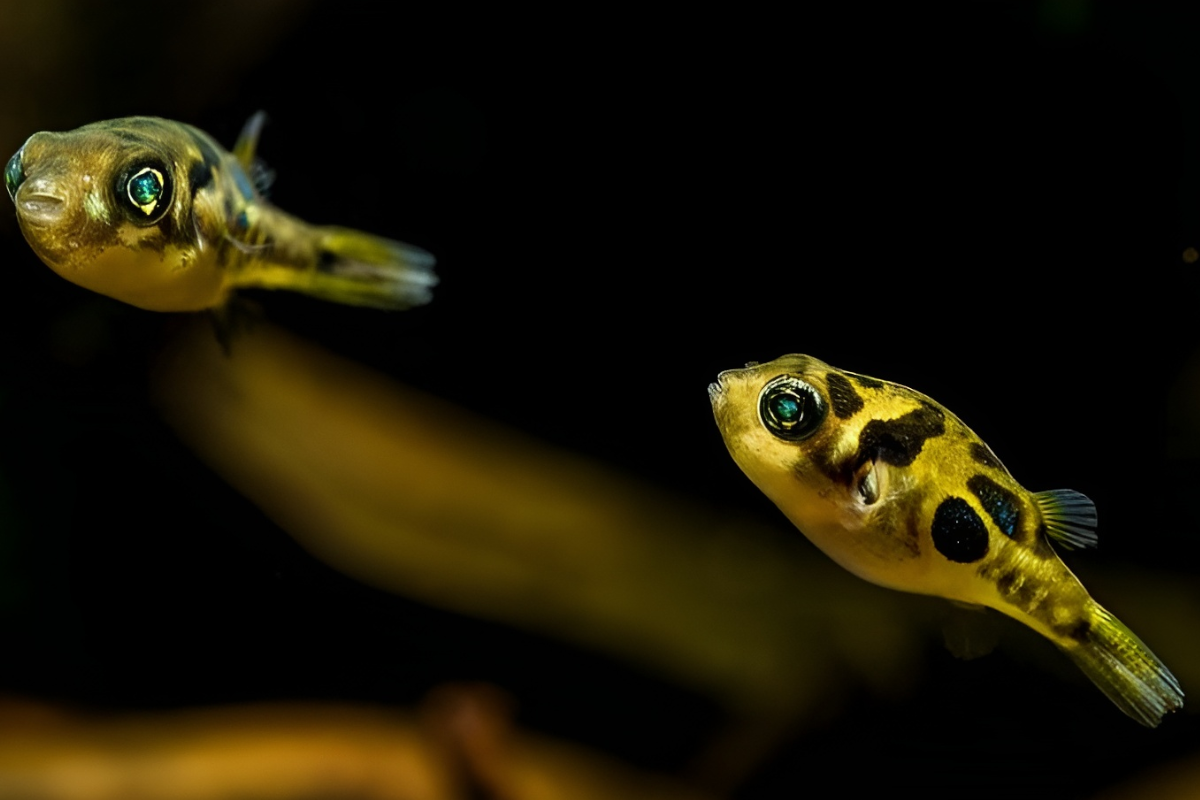
The Pea Puffer (Carinotetraodon travancoricus), also known as the Dwarf Puffer or Indian Pygmy Puffer, is the world’s smallest pufferfish. Growing to a maximum of just 2.5 cm, they are famous for their expressive, independently moving eyes and their curious, hovering flight pattern. Pea Puffers are highly intelligent, territorial, and surprisingly predatory for their size.
We suggest keeping either a single Dwarf Pea Puffer in a 20L tank or a small group (one male to two or three females) in a larger setup with plenty of hiding spots to prevent bickering. They thrive in a pH of 7.0–8.0 and prefer stable, tropical temperatures. Because they are messy eaters and sensitive to water quality, ensure you maintain robust filtration and keep a close eye on water parameters.
Dwarf Pea Puffers are best kept in a species-only setup or with very fast-moving, short-finned companions. Unlike most nano-fish, they are obligate carnivores and will rarely touch dry flakes or pellets. Their diet must consist of live or frozen meaty foods; their absolute favourites are small aquatic snails (such as Bladder or Ramshorn snails), which help keep their teeth worn down, as well as frozen bloodworms and live blackworms.
| Scientific Name | Carinotetraodon travancoricus |
|---|---|
| Family | Tetraodontidae |
| Origin | India (Western Ghats) |
| Breeding | Egg layer |
| Temperament | Semi-aggressive |
| Tank Level | Mid-dweller |
| Lifespan | Up to 5 years |
| Minimum Tank Size | 40L |
| Size | 2.5–3.0 cm |
| Difficulty | Intermediate |
| pH | 6.5–7.5 |
| Temperature | 24–28°C |
Free shipping over R2500
Shipped Monday-Wednesday via Eco or Overnight Express for the safety of the livestock
Livebearers
The Male Blue Moscow Guppy (Poecilia reticulata) is a highly sought-after strain, famous for its deep, royal blue coloration that...
R40,00

Limited Stock!
Corydoras and Catfish
The Pygmy Corydora ( Corydoras pygmaeus) is a charming little addition to your tank. Unlike most species of Cory that...
R55,00

Limited Stock!
Nano and Community Fish
The Cardinal Tetra (Paracheirodon axelrodi) is an icon of the tropical aquarium, known for its neon-blue and deep-red horizontal stripes...
R40,00
Plecos
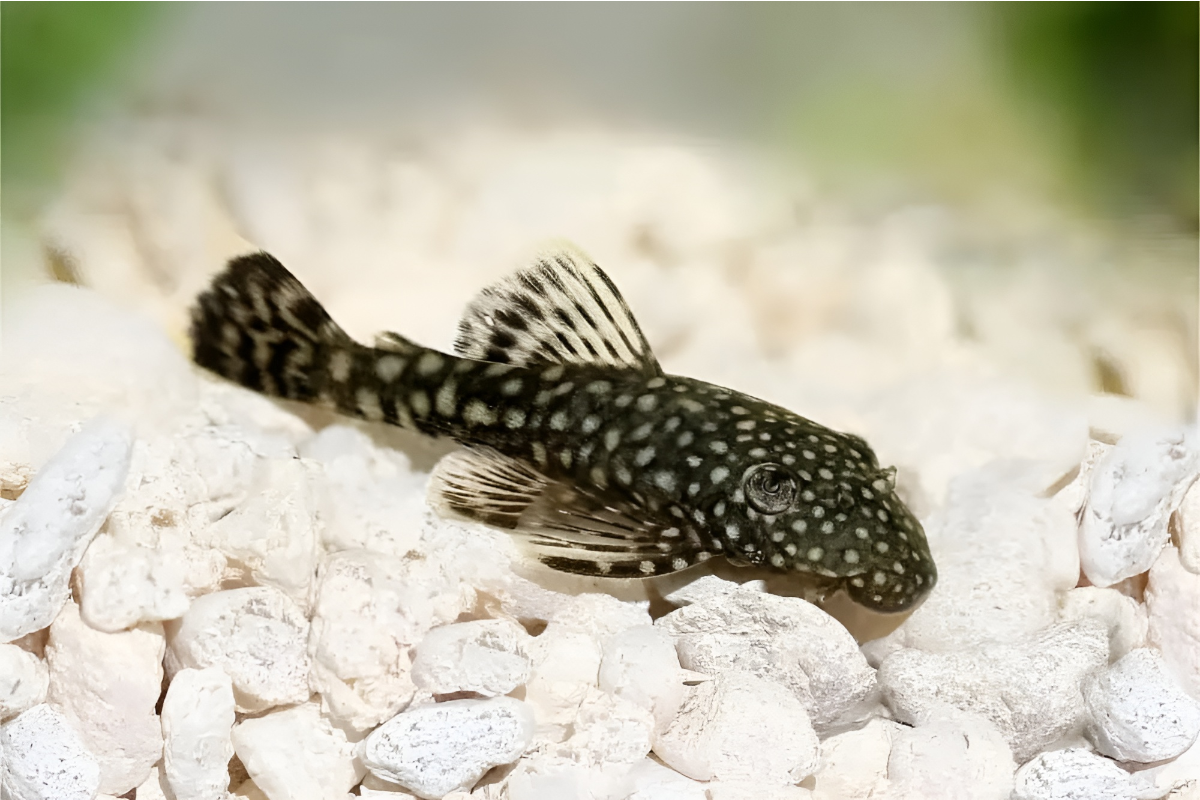
The Bristlenose Ancistrus pleco (Ancistrus cf. cirrhosus) is widely considered the one of the best of algae eaters for the home...
R40,00
Nano and Community Fish
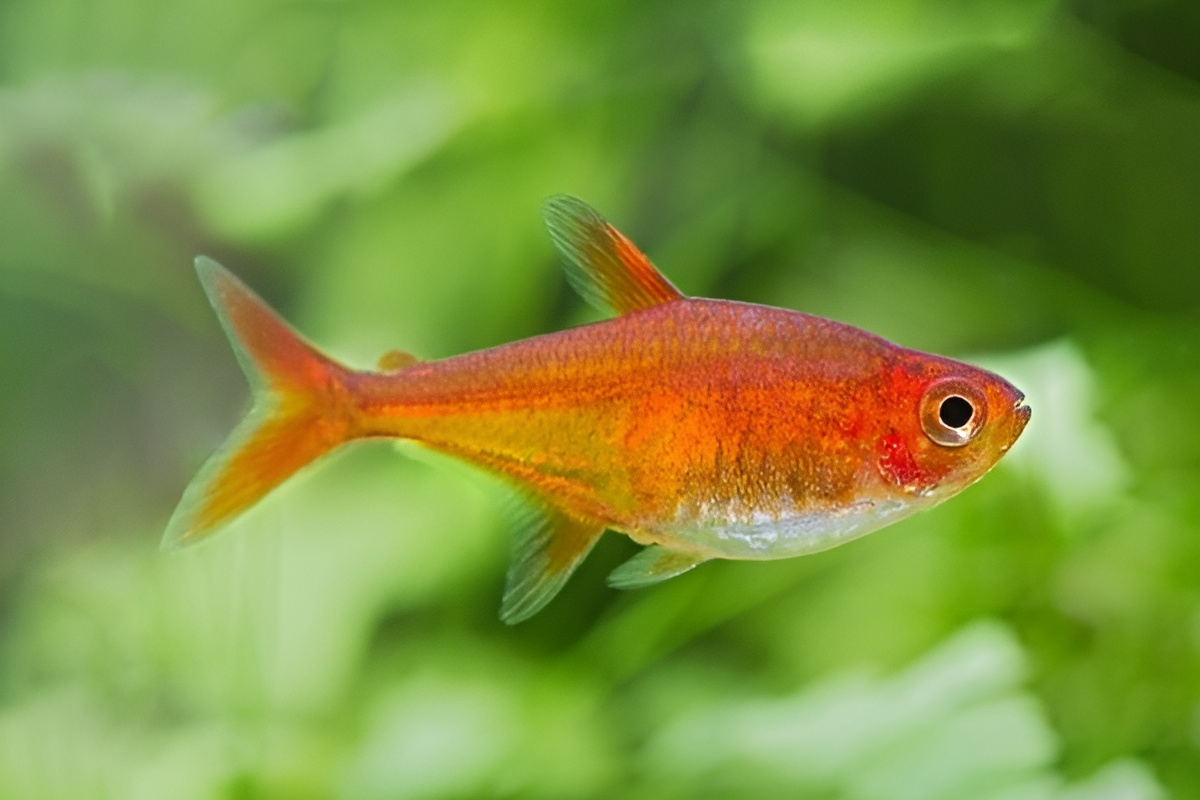
The Ember Tetra (Hyphessobrycon amandae) is a vibrant, flame-colored jewel that has become a favorite for aquascapers and nano-tank enthusiasts...
R20,00

Nano and Community Fish
The Rummy Nose Tetra (Petitella rhodostoma) is renowned for its vibrant scarlet-red face and striking black-and-white checkered tail. These sleek,...
R40,00