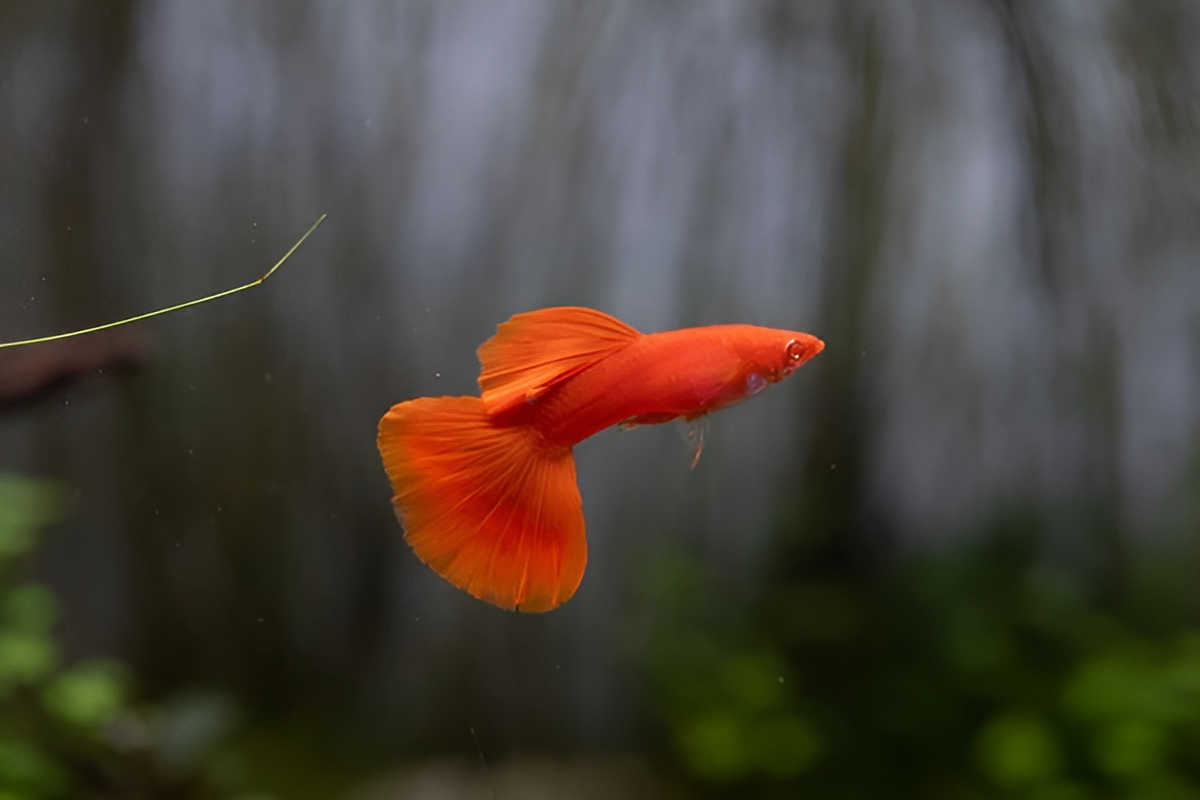
Red Queen Guppy (Male)
Livebearers
The Male Red Moscow Guppy is a stunning addition to your aquarium, reaching a size of approximately 5 cm, these...
R40,00
🐠 Free shipping over R2,500 · Flat rate R220 Livestock Ships Between Mon–Wed
Shrimp
Regular PriceR35,00
Customer reviews
49 in stock
We accept the following payment methods




Arrive Alive DOA Policy - Learn more
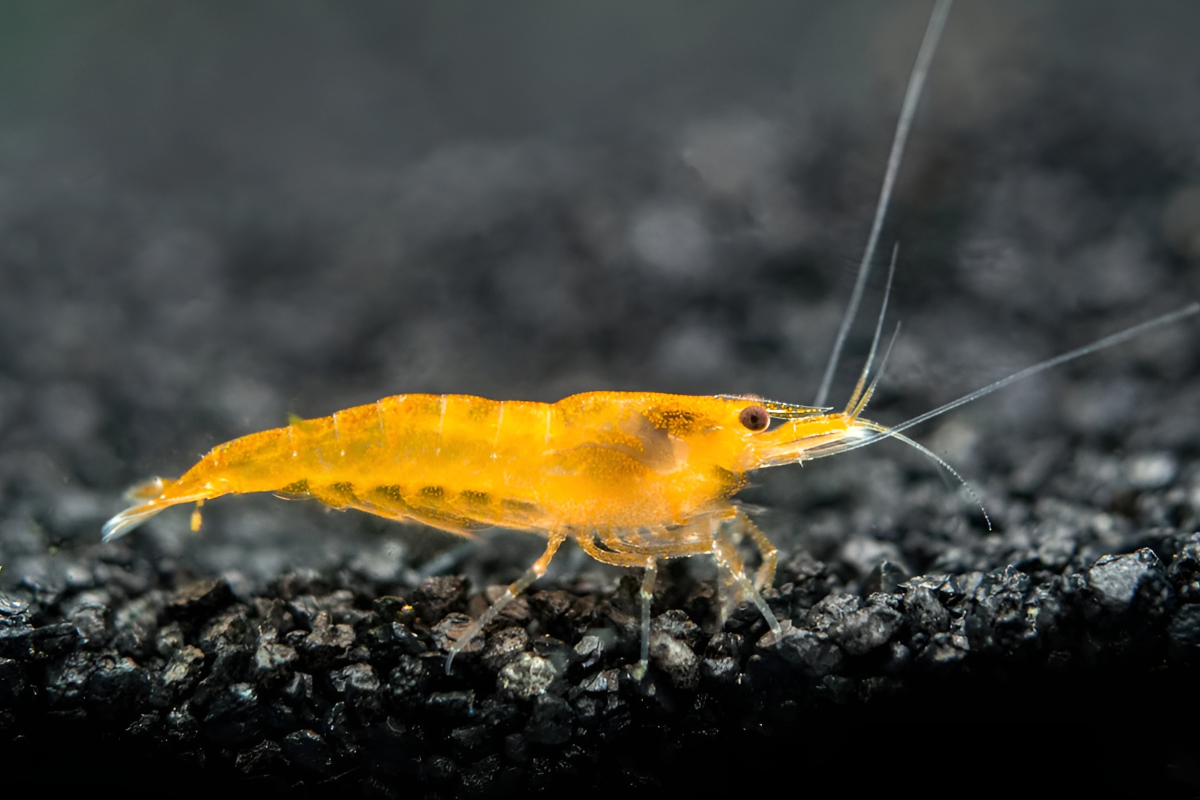
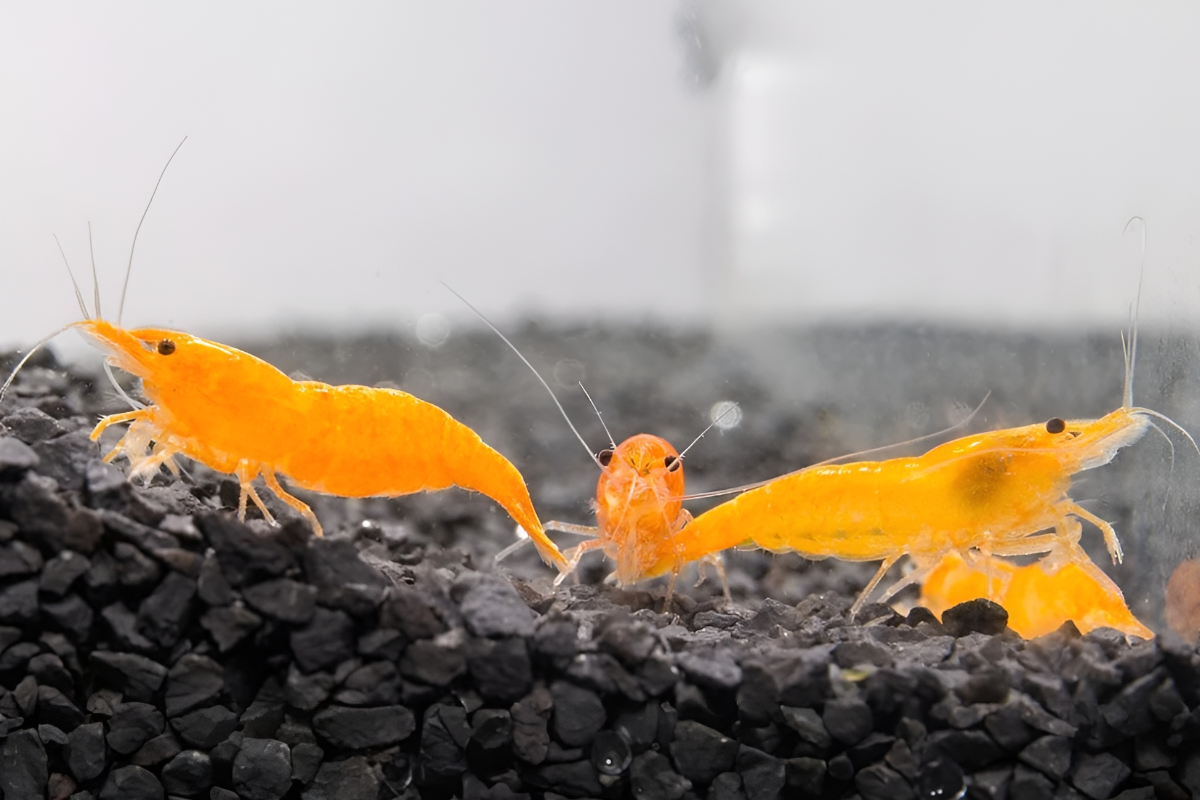
The Orange Sakura Shrimp (Neocaridina davidi) is known for vibrant, neon-orange coloration. Higher quality orange shrimps than our orange cull shrimps on our list, these orange sakuras are brighter, more visible, with a great contrast on darker sand, plants or substrate.We have two types of orange, a more redder orange shrimp and a brighter yellow-orange based color shrimp. The body has solid color, the shell is sometimes a bit textured and the legs of the shrimp can be either orange or clear in color. They grow up to 2.5–3 cm. Ours range from 1cm – 1.5cm in size.
Start with at least ten Orange Sakura Shrimp to ensure they feel safe. They are very social and thrive in large numbers. They can handle a fairly wide range of pH from 6.5–8.0, as well as moderate to high water hardness (GH), which is essential for them to build strong exoskeletons. We keep our Neocaridina shrimps in an average TDS of 180 – 220 at a temperature of 22 degrees celcius. Well accustomed to South African tap water and relatively easy to acclimate.
Care must be taken with tank mates, avoid any large or aggressive fish. As omnivorous scavengers, they are not picky eaters. Their favorite meals include sinking shrimp pellets and blanched vegetables like zucchini.
| Scientific Name | Neocaridina davidi |
|---|---|
| Family | Atyidae |
| Origin | Taiwan / East Asia |
| Breeding | Specialised explorer (Benthic) |
| Temperament | Peaceful |
| Tank Level | All levels / Bottom-dweller |
| Lifespan | 1–2 years |
| Minimum Tank Size | 20L |
| Size | 2.5–3.0 cm |
| Difficulty | Easy |
| pH | 6.5–8.0 |
| Temperature | 18–27°C |
Free shipping over R2500
Shipped Monday-Wednesday via Eco or Overnight Express for the safety of the livestock
Livebearers
The Male Red Moscow Guppy is a stunning addition to your aquarium, reaching a size of approximately 5 cm, these...
R40,00
Livebearers
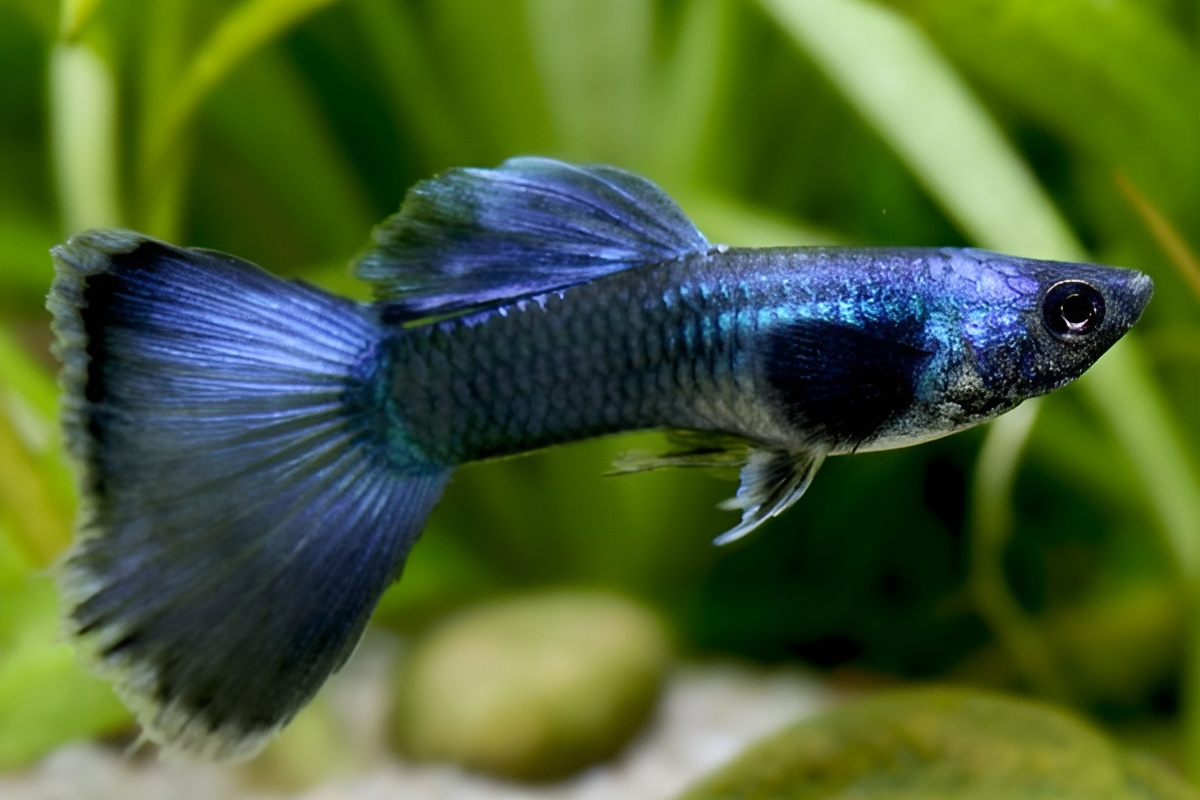
The Male Blue Moscow Guppy (Poecilia reticulata) is a highly sought-after strain, famous for its deep, royal blue coloration that...
R40,00
Corydoras and Catfish
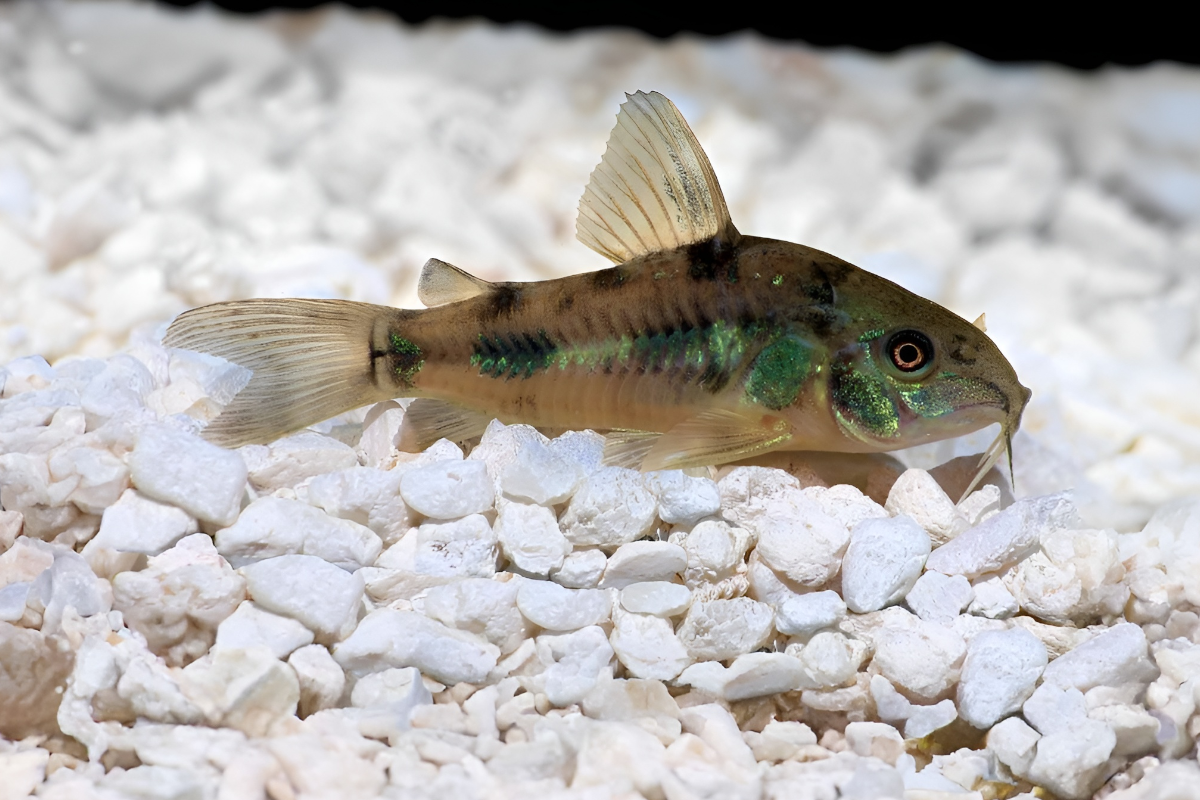
The Peppered Cory (Corydoras paleatus) is one of the most beloved species in the aquarium hobby. They are easily recognised...
R40,00

Limited Stock!
Corydoras and Catfish
The Pygmy Corydora ( Corydoras pygmaeus) is a charming little addition to your tank. Unlike most species of Cory that...
R55,00
Limited Stock!
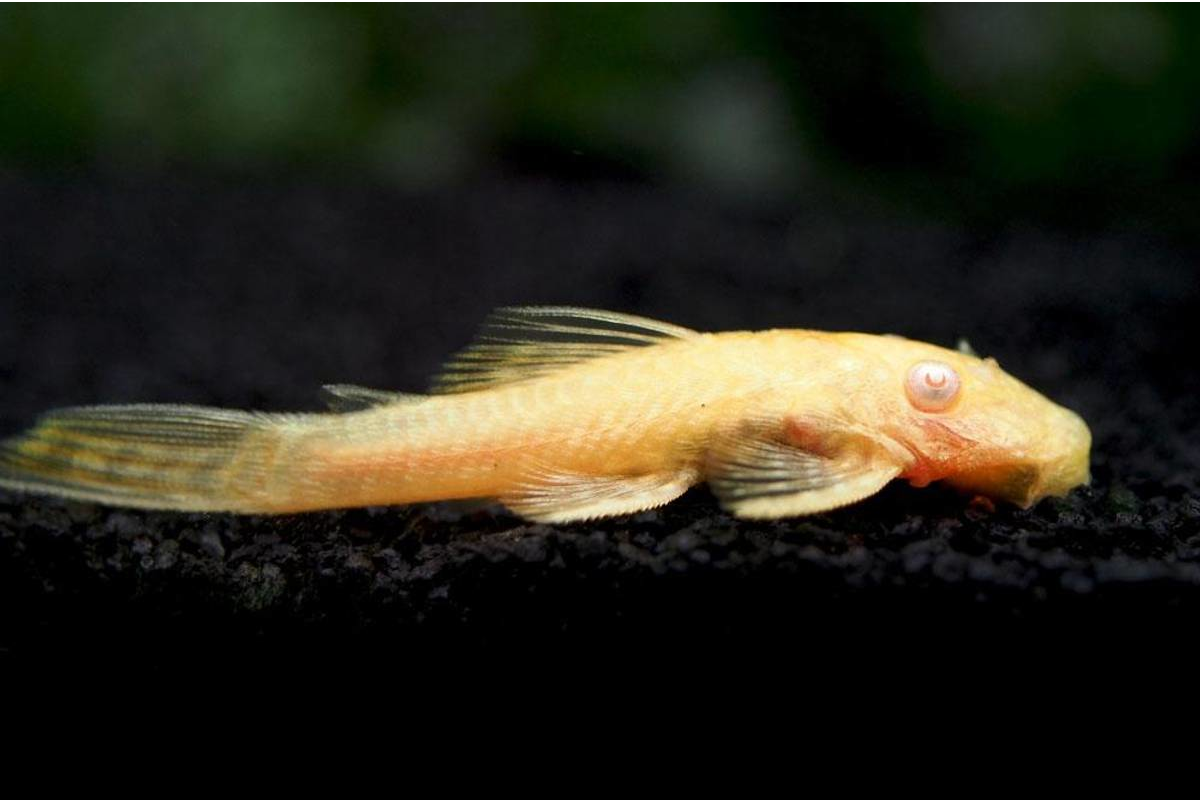
Plecos
The Albino Ancistrus Pleco or< Albino Bristlenose is a great to any freshwater aquarium. While most plecos are camouflaged in...
R55,00
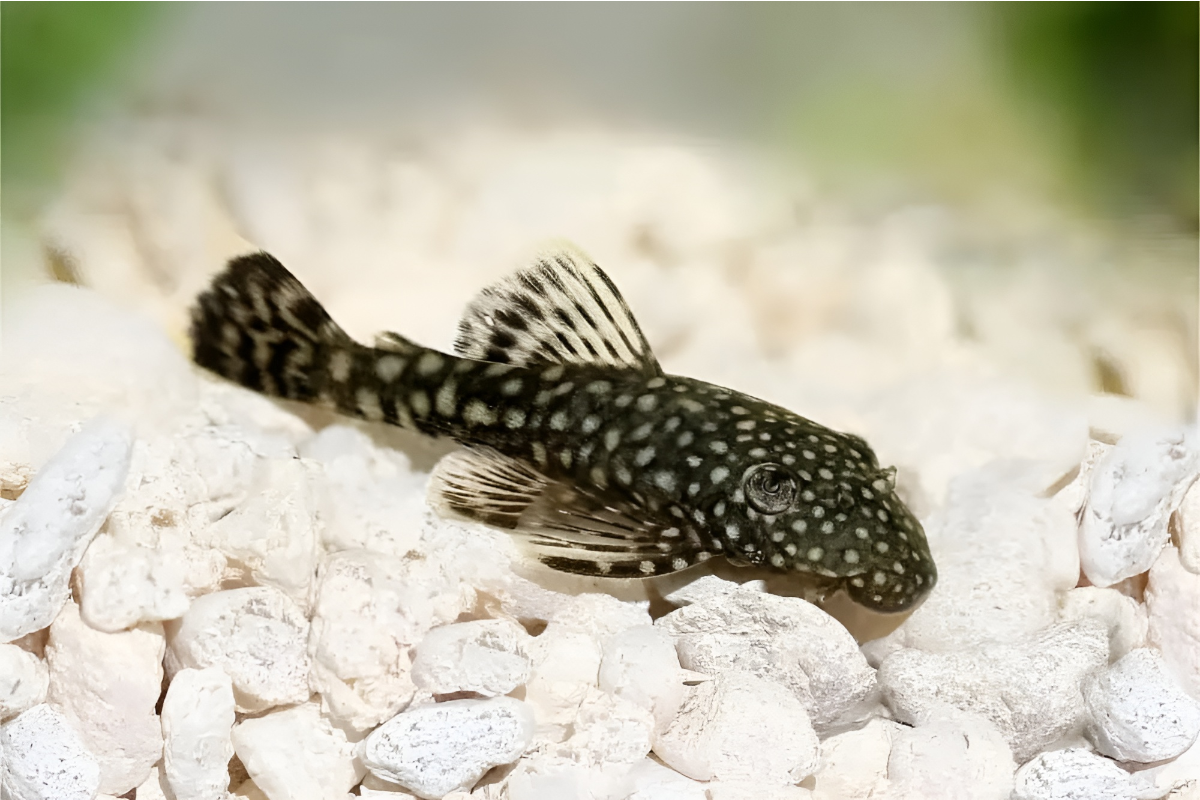
Plecos
The Bristlenose Ancistrus pleco (Ancistrus cf. cirrhosus) is widely considered the one of the best of algae eaters for the home...
R40,00
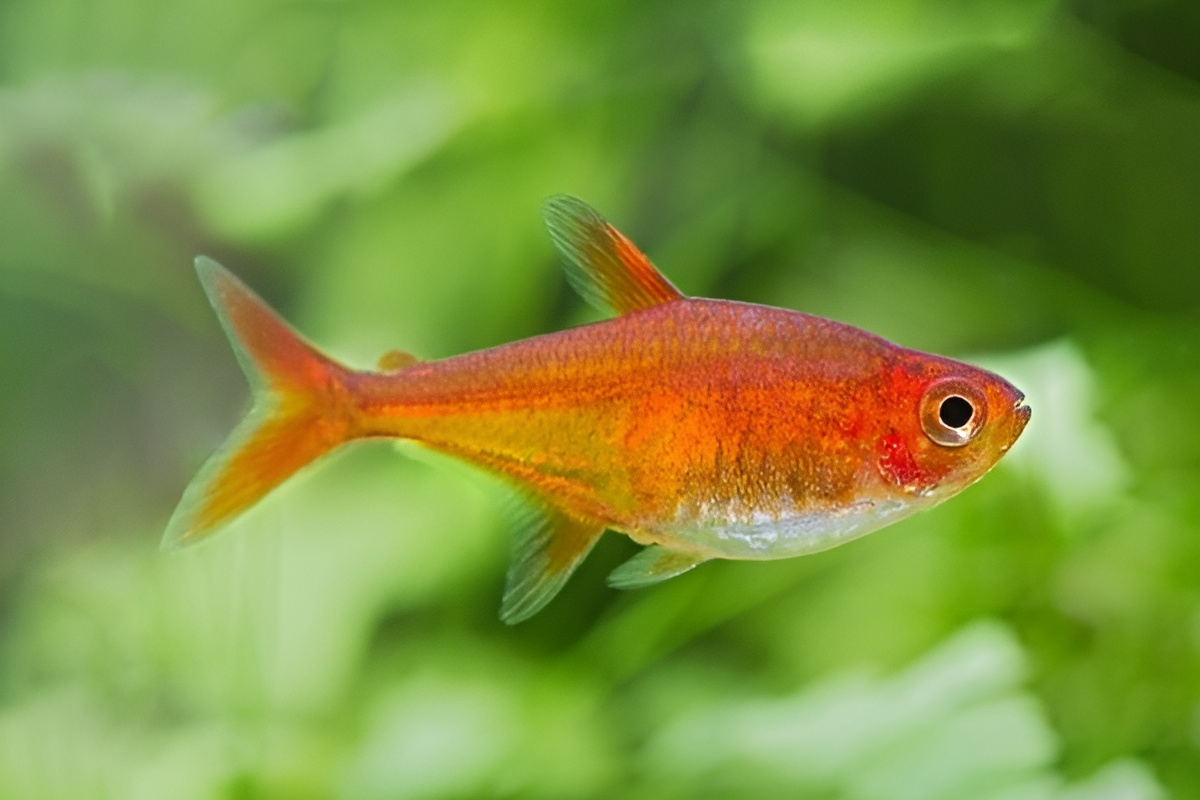
Nano and Community Fish
The Ember Tetra (Hyphessobrycon amandae) is a vibrant, flame-colored jewel that has become a favorite for aquascapers and nano-tank enthusiasts...
R20,00

Nano and Community Fish
The Rasbora Maculata (Boraras maculatus), known as the dwarf Rasbora or Spotted Rasbora, is one of the smallest aquarium fish...
R35,00
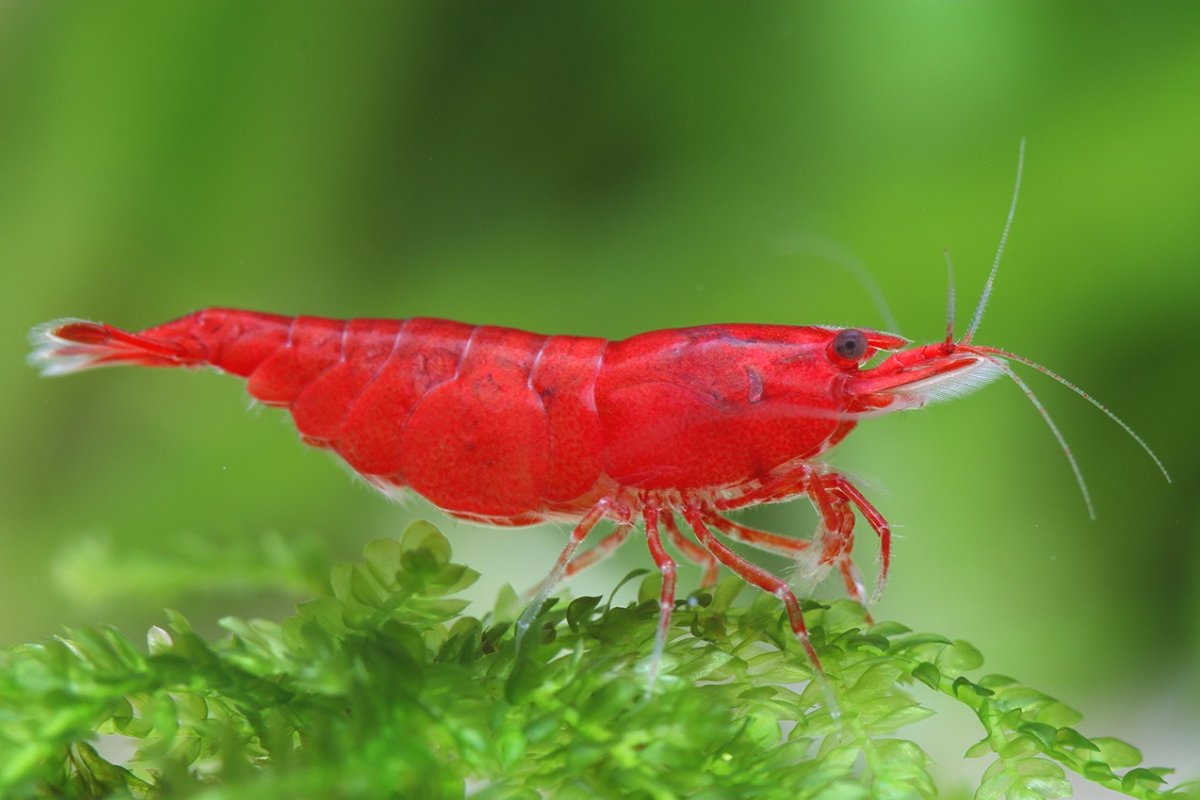
Shrimp
The Bloody Mary Shrimp (Neocaridina davidi) is prized for its intense, deep crimson coloration. Unlike standard Red Cherry Shrimp, whose...
R60,00