Blue Grass Guppy Male
Livebearers
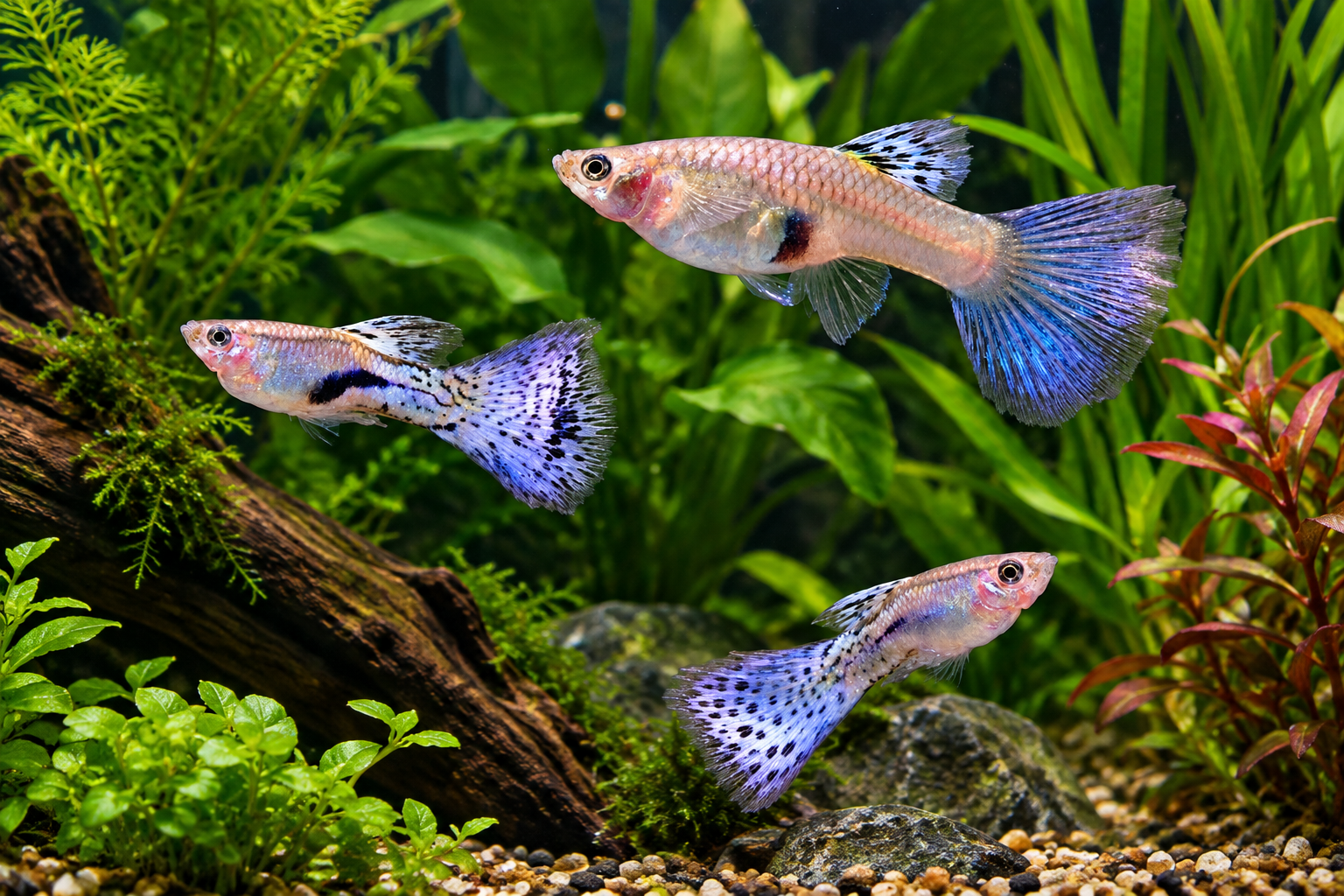
Blue Grass guppy male is beautiful. Classic Blue Delta tail with fine dots pattern.
These fish are renowned for their...
R40,00
🐠 Free shipping over R2,500 · Flat rate R220 Livestock Ships Between Mon–Wed
Discus
Regular PriceR300,00
Customer reviews
8 in stock
We accept the following payment methods




Arrive Alive DOA Policy - Learn more
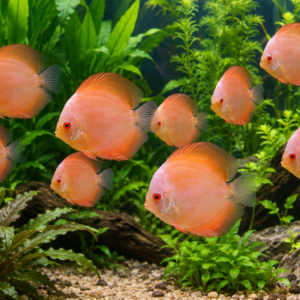
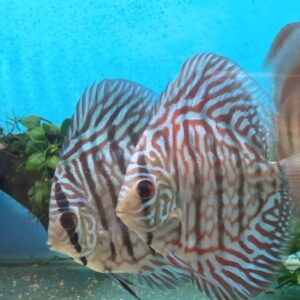
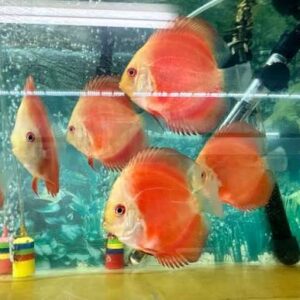
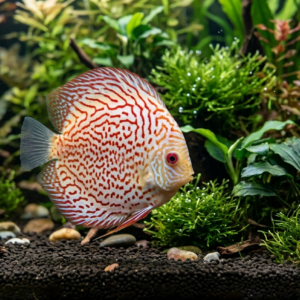
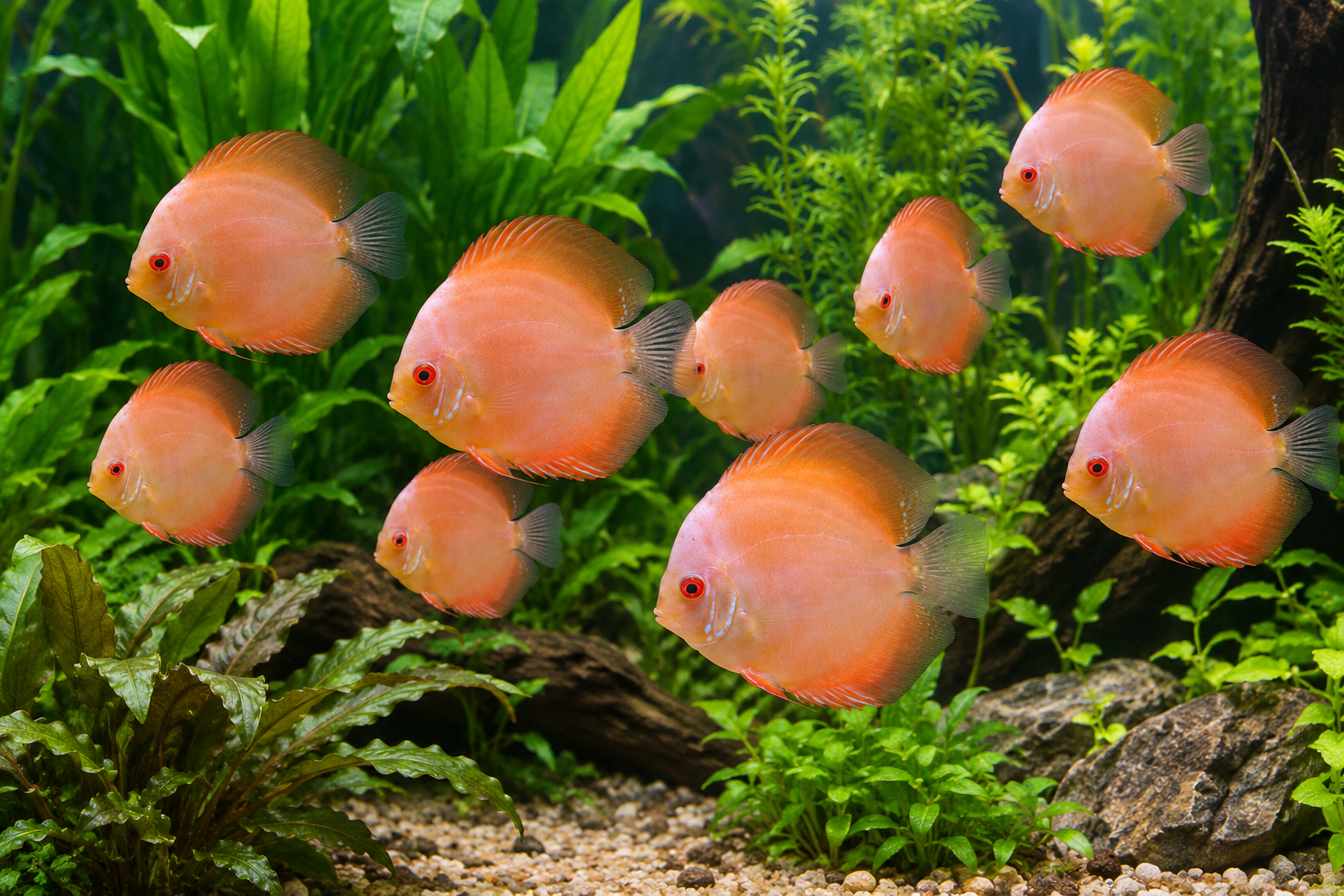
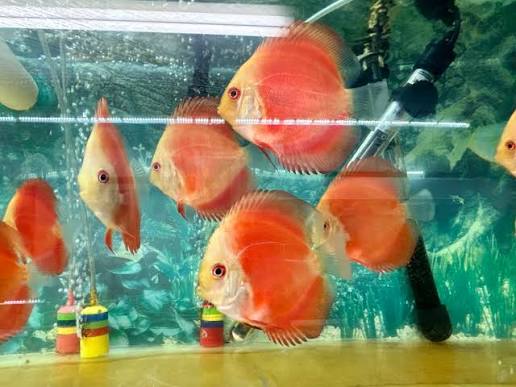
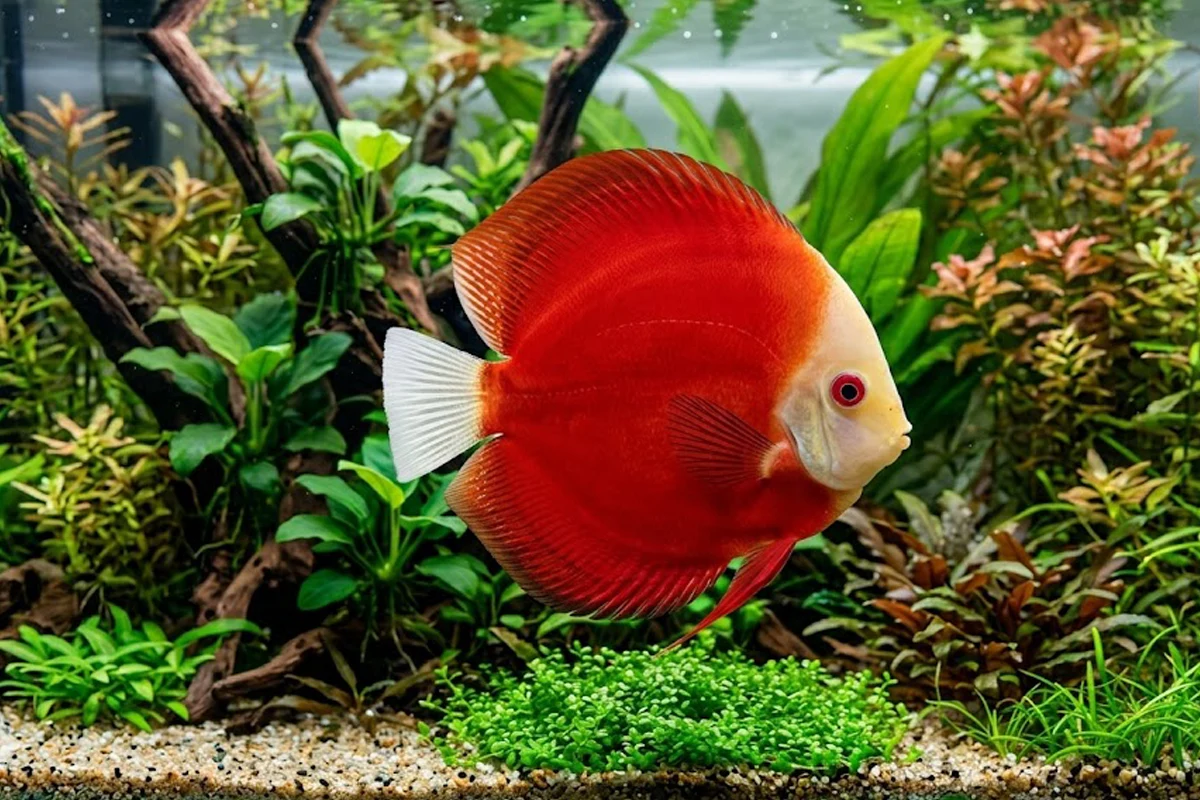
Our baby red melon discus are so cute! They are very pale when young, but develop colour around 8cm size, about 3 months after purchase and they develop either into a deep deep orange colour, almost red, or if you are lucky, sometimes even a more blood crimson red colour.
PLEASE NOTE BABY DISCUS NEED 3-4 FEEDINGS A DAY TO GROW WELL. They like higher temperature and do not keep with too many big discus, or pecking order becomes a problem.
Your Discus should be kept in a school of least six to manage their natural hierarchy, but we strongly suggest a group of 6 Discus to keep them feeling safe and confident. They require a stable pH of 6.0–7.0 and very warm, pristine water (28°C–30°C) to stay healthy. Good water quality is compulsory.They are sensitive to nitrates, frequent water changes are essential to keep their colours vibrant and their immune systems strong.
When choosing tankmates for you discus fish, avoid any boisterous or nippy species that might distrupt their calm nature or outcompete them for food. Because they are deliberate, slow eaters, they do best with food that settles slowly or rests on clean surfaces. Their favourite meals are high-quality beef heart, enriched brine shrimp, and specialised slow-sinking discus granules.
| Scientific Name | Symphysodon |
|---|---|
| Family | Cichlidae |
| Origin | Amazon River |
| Breeding | Egg layer |
| Temperament | Peaceful |
| Tank Level | Mid-dweller |
| Lifespan | Up to 7 Years |
| Minimum Tank Size | 255L |
| Size | 7.0 – 8.0cm |
| Difficulty | Difficult |
| pH | 6.0– 7.0 |
| Temperature | 28 – 30°C |
Free shipping over R2500
Shipped Monday-Wednesday via Eco or Overnight Express for the safety of the livestock
Livebearers
Blue Grass guppy male is beautiful. Classic Blue Delta tail with fine dots pattern.
These fish are renowned for their...
R40,00
Corydoras and Catfish
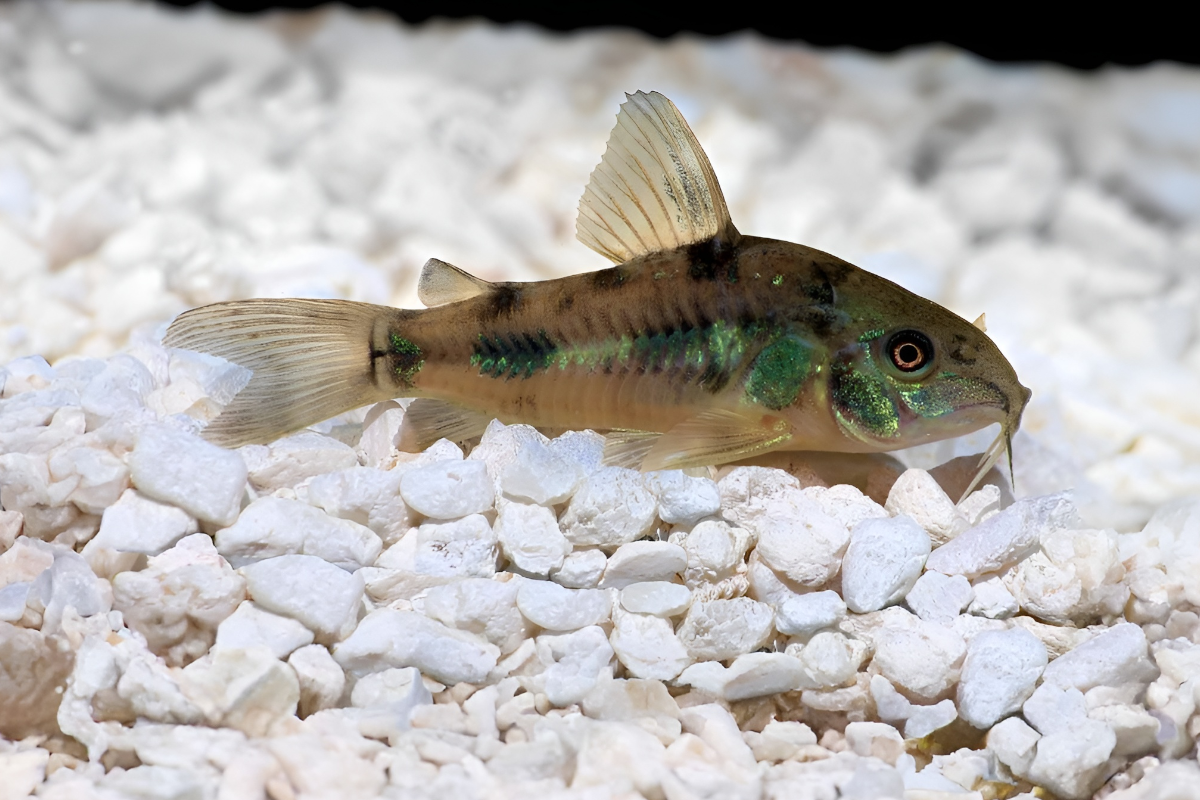
The Peppered Cory (Corydoras paleatus) is one of the most beloved species in the aquarium hobby. They are easily recognised...
R40,00

Limited Stock!
Nano and Community Fish
The Cardinal Tetra (Paracheirodon axelrodi) is an icon of the tropical aquarium, known for its neon-blue and deep-red horizontal stripes...
R40,00
Nano and Community Fish
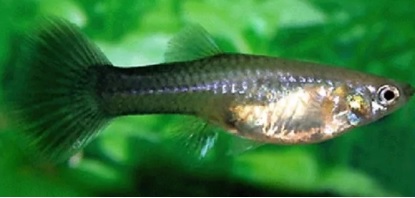
Green Moscow female guppy may be much more dull than the Green Moscow male guppy, but a crucial and integral...
R30,00
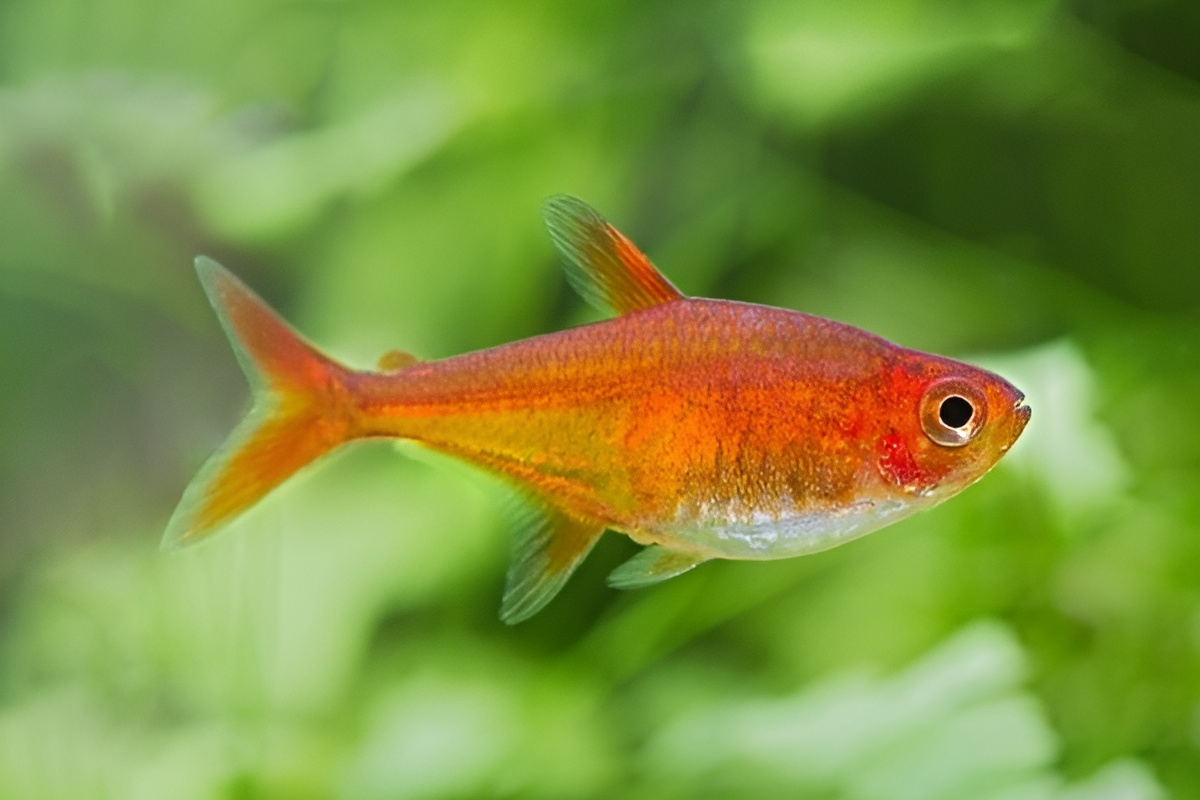
Nano and Community Fish
The Ember Tetra (Hyphessobrycon amandae) is a vibrant, flame-colored jewel that has become a favorite for aquascapers and nano-tank enthusiasts...
R20,00
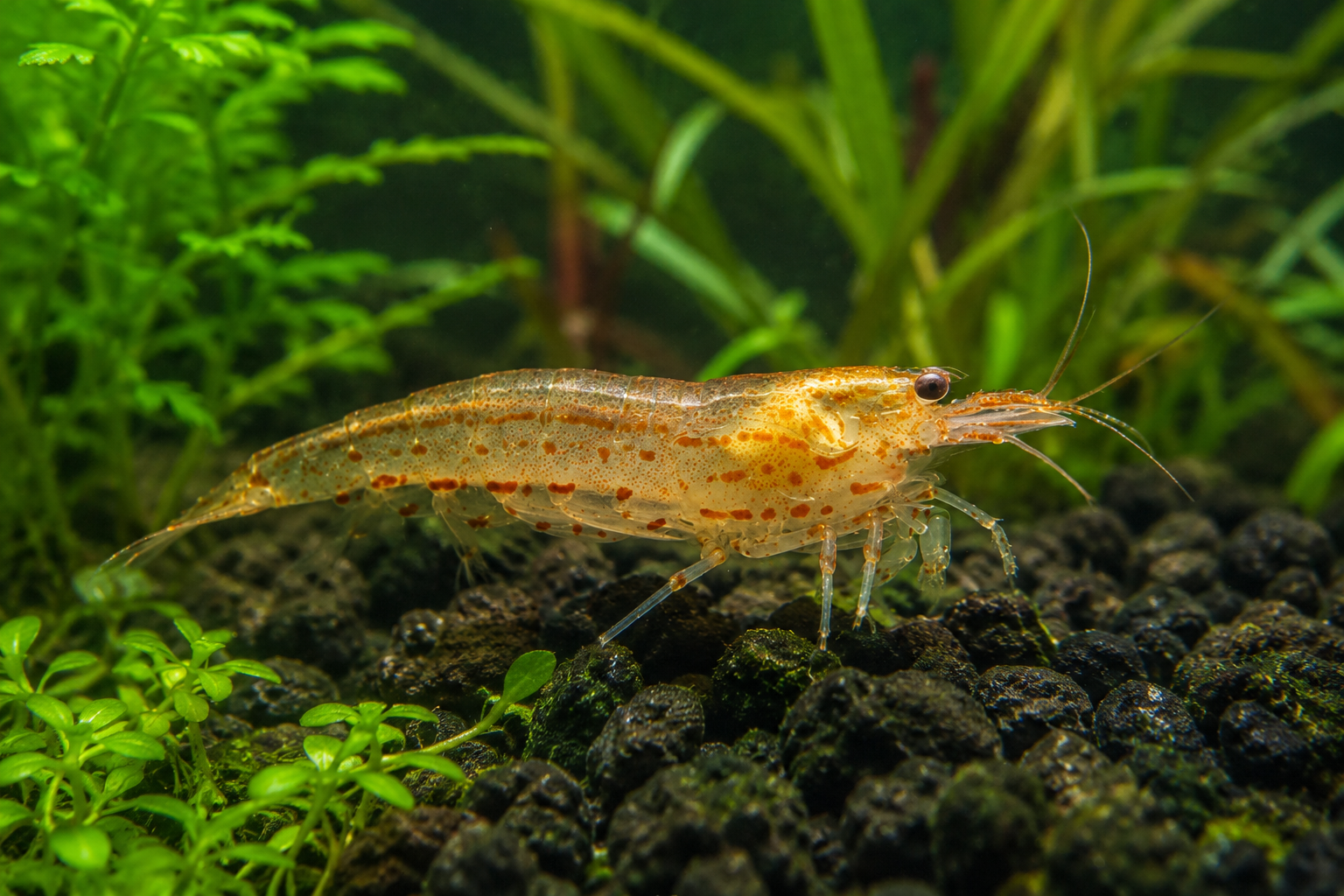
Shop
Sun orange amano shrimps are just as tough as the normal brown amano shrimp. These sun orange amanos DO NOT...
R40,00