Peppered Cory 3cm
Corydoras and Catfish
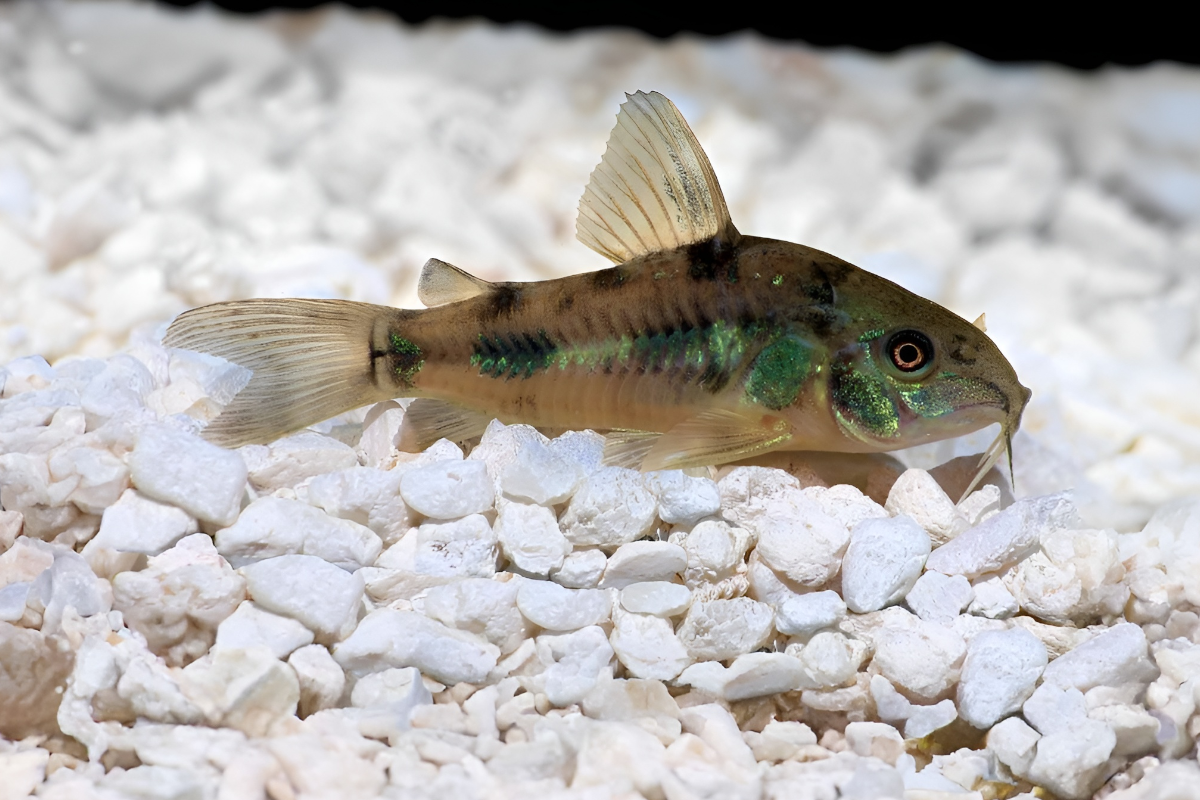
The Peppered Cory (Corydoras paleatus) is one of the most beloved species in the aquarium hobby. They are easily recognised...
R40,00
🐠 Free shipping over R2,500 · Flat rate R220 Livestock Ships Between Mon–Wed

Algae Eaters and Bottom Feeders
Regular PriceR40,00
Customer reviews
We accept the following payment methods




Arrive Alive DOA Policy - Learn more
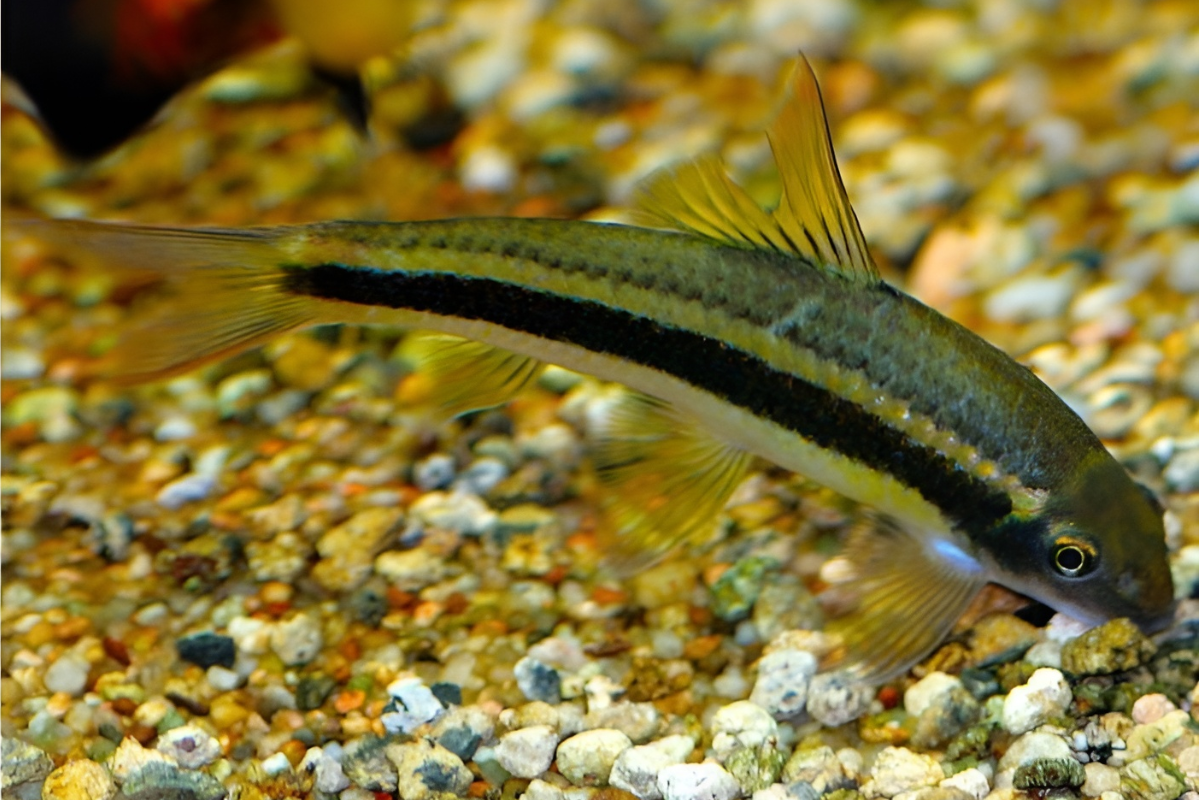
The Flying Fox Algae Eater (Epalzeorhynchos kalopterus) is a bold, fast-moving algae eater from the swift rivers of Southeast Asia, instantly recognised by its sharp horizontal body stripe and its relentless patrol of the lower tank levels. Growing to 12–15 cm, it earns its keep as a grazer of biofilm and periphyton that most other fish simply ignore, bringing a restless, genuine personality to the aquarium.
Flying Fox Algae Eaters need space and a tight-fitting lid; they are capable jumpers and will find any gap available. A single specimen in at least 150 litres is the safest approach, as they become increasingly territorial with age and will hassle similarly shaped species, including the commonly confused Siamese Algae Eater. They do best at a pH of 6.0–7.5 with a moderate current and temperatures of 24–28°C.
Avoid keeping them with passive bottom-dwellers or other algae eaters; they will bully competitors off their grazing patches without hesitation. Supplement their natural foraging with algae wafers, sinking pellets, and occasional frozen treats like brine shrimp or bloodworms. A smart, hardworking addition to any mature South African community tank looking for genuine, natural algae management.
| Scientific Name | Epalzeorhynchos kalopterus |
|---|---|
| Family | Cyprinidae |
| Origin | Southeast Asia |
| Breeding | Egg layer |
| Temperament | Territorial |
| Tank Level | Bottom/mid-dweller |
| Lifespan | 8–10 years |
| Minimum Tank Size | 150L |
| Size | 12–15 cm |
| Difficulty | Intermediate |
| pH | 6.0–7.5 |
| Temperature | 24–28°C |
Free shipping over R2500
Shipped Monday-Wednesday via Eco or Overnight Express for the safety of the livestock
Corydoras and Catfish
The Peppered Cory (Corydoras paleatus) is one of the most beloved species in the aquarium hobby. They are easily recognised...
R40,00

Limited Stock!
Nano and Community Fish
The Cardinal Tetra (Paracheirodon axelrodi) is an icon of the tropical aquarium, known for its neon-blue and deep-red horizontal stripes...
R40,00
Livebearers
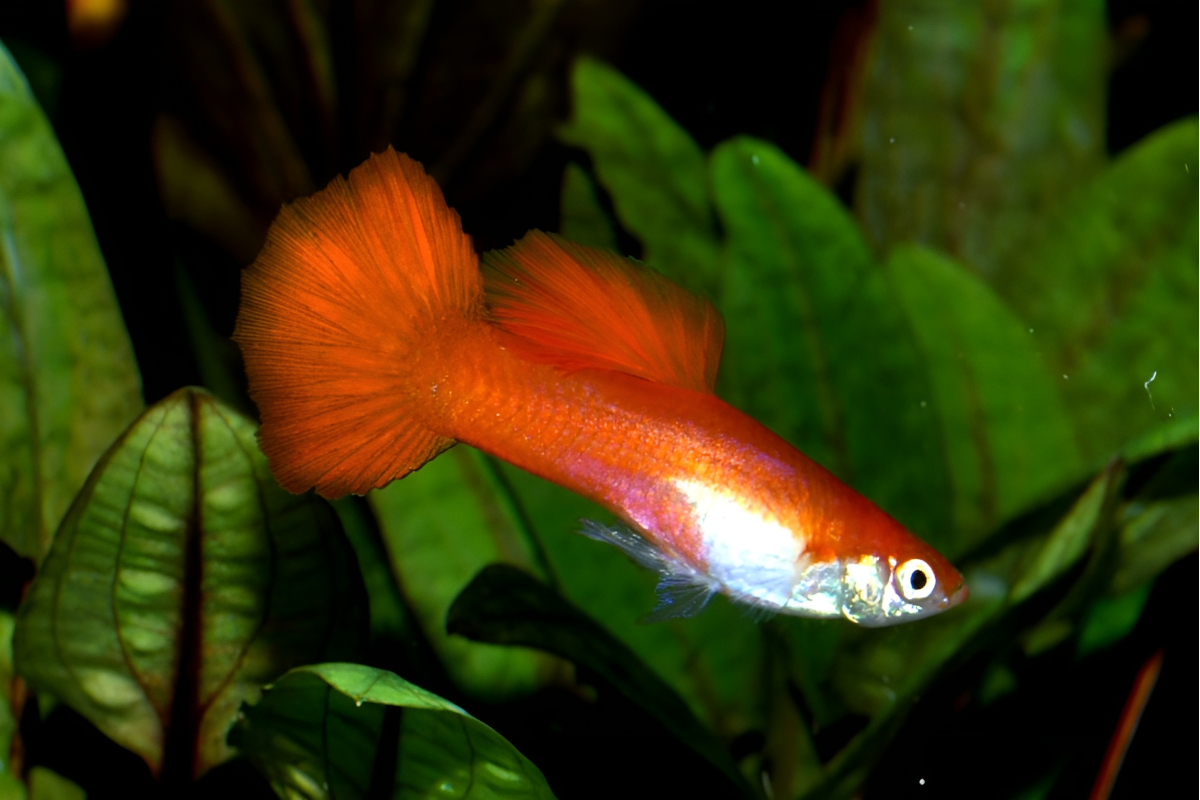
The Red Queen Guppy (Poecilia reticulata) is one of the most vibrant and regal colour strains of guppies available. Growing...
R40,00
Plecos
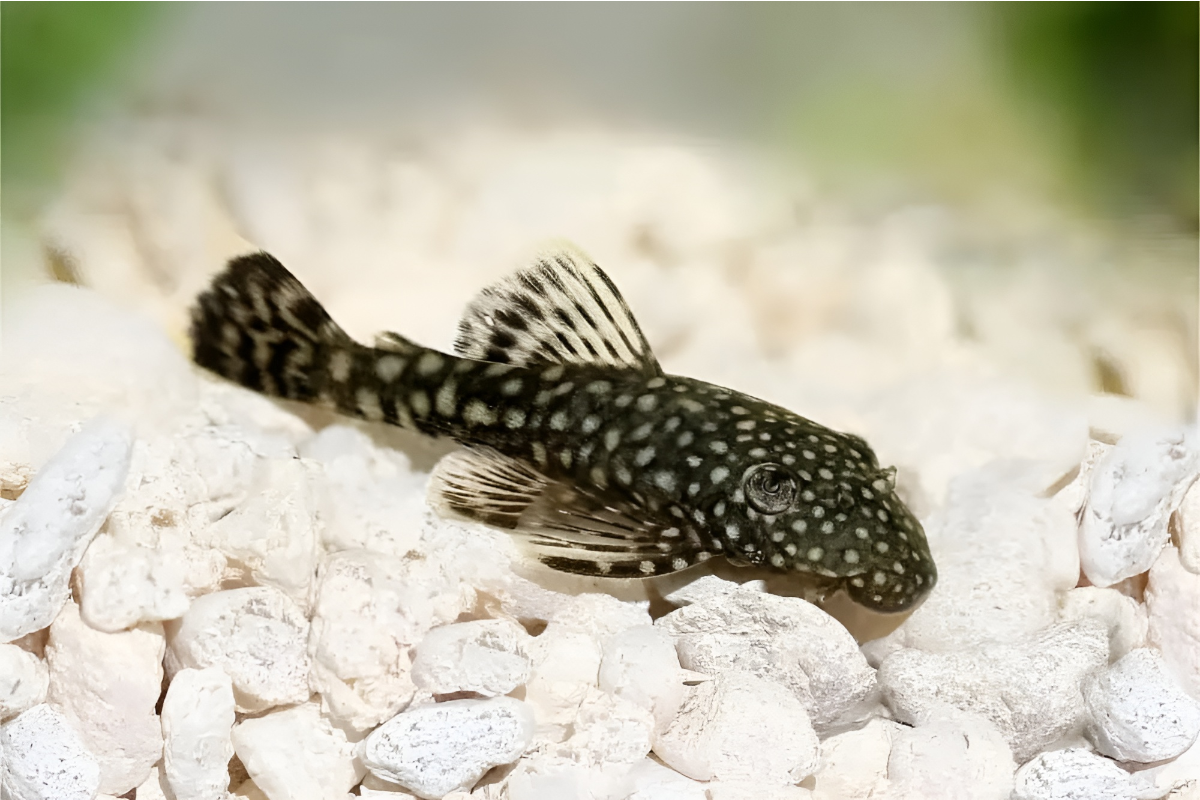
The Bristlenose Ancistrus pleco (Ancistrus cf. cirrhosus) is widely considered the one of the best of algae eaters for the home...
R40,00
Shrimp
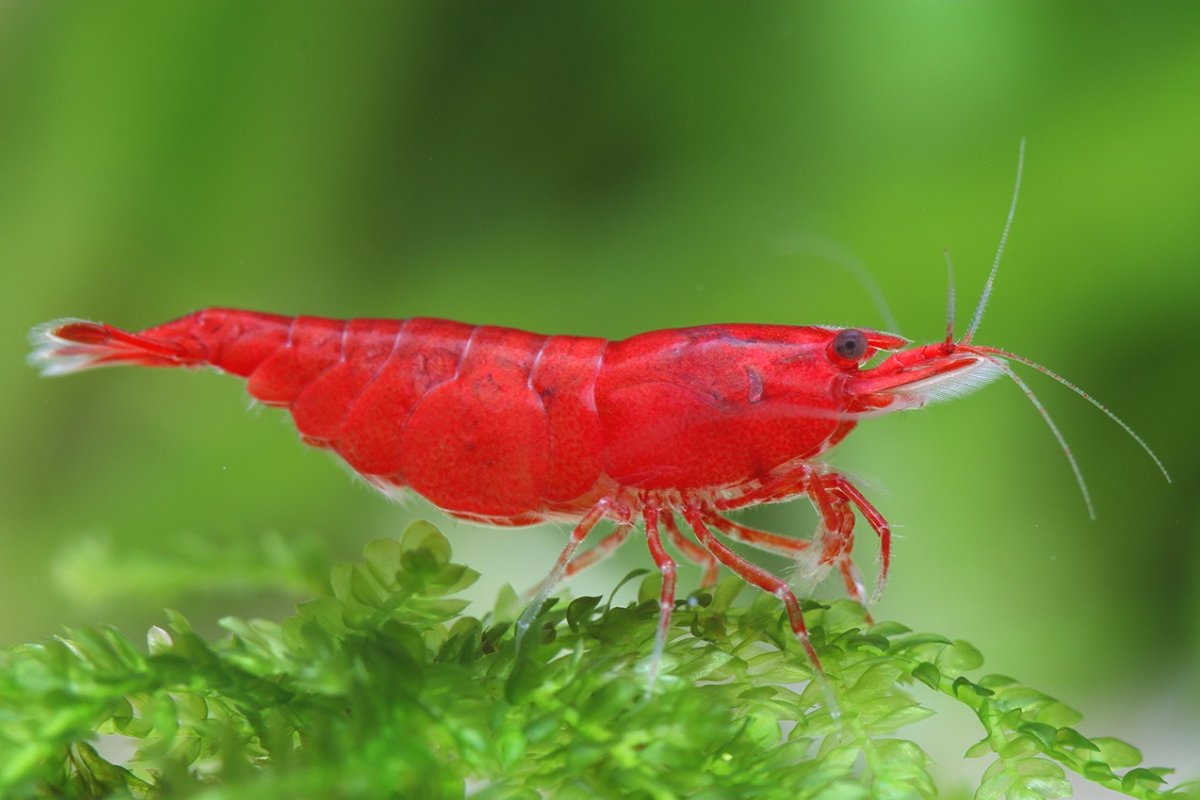
The Bloody Mary Shrimp (Neocaridina davidi) is prized for its intense, deep crimson coloration. Unlike standard Red Cherry Shrimp, whose...
R60,00

Livebearers
The Dumbo Ear Mosaic Guppy female (Poecilia reticulata) is a designer variant that brings a unique look to the aquarium....
R35,00

Algae Eaters and Bottom Feeders
The Red Garra (Garra Rufa) goes by many common names, such as the “Spa fish” or doctor fish. Made popular...
R25,00